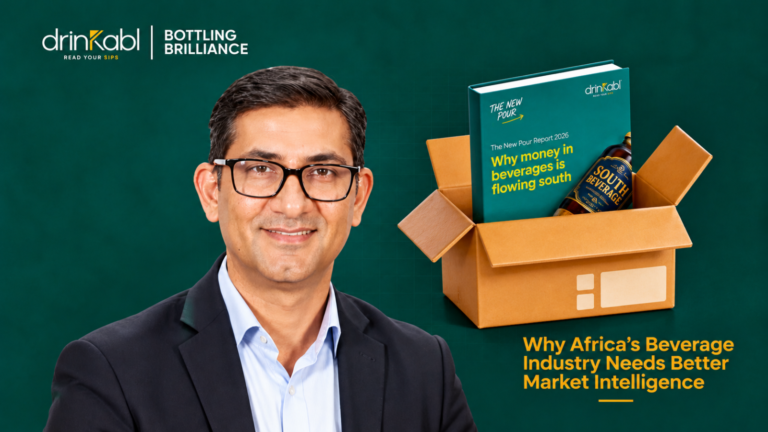
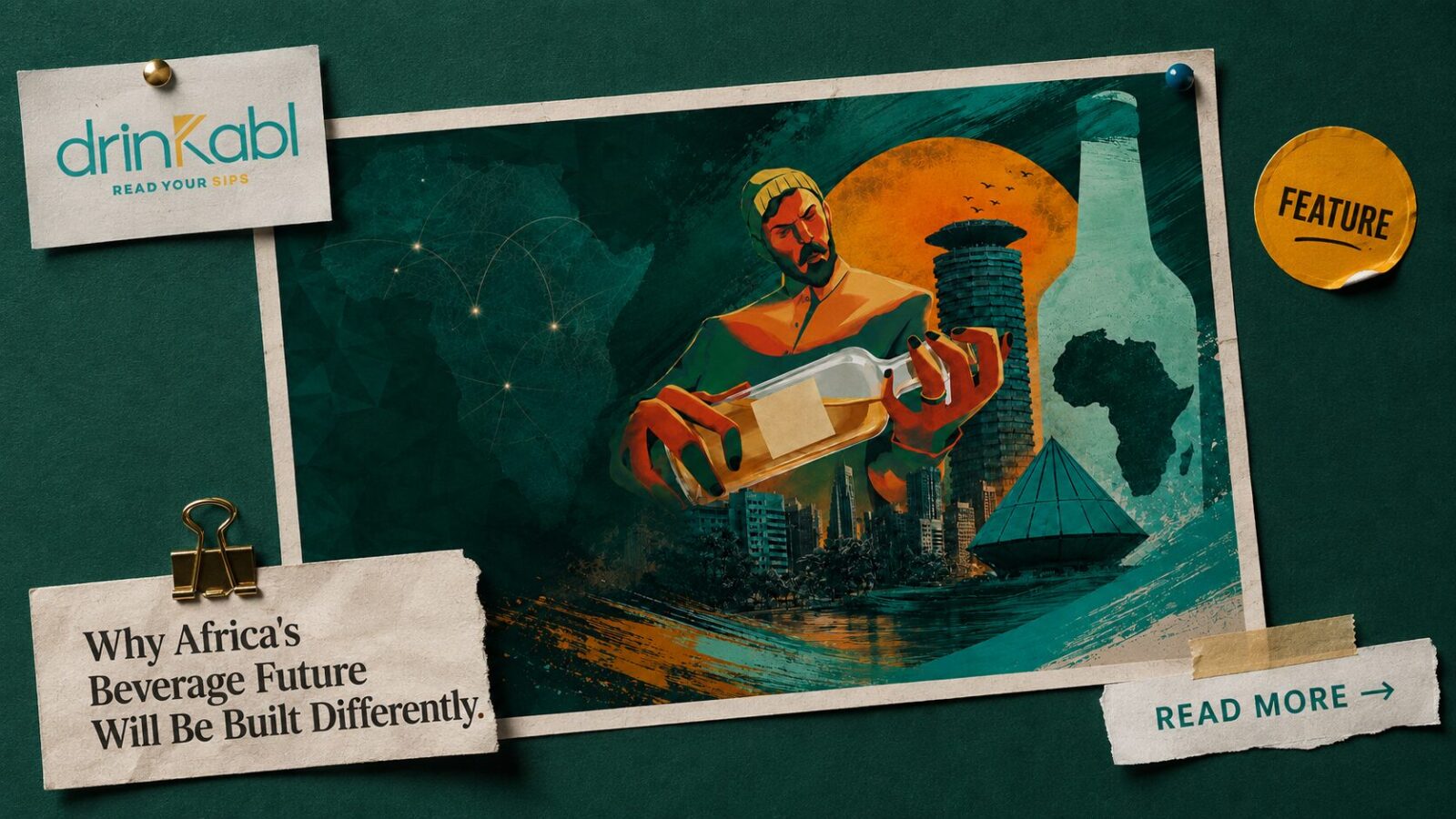

At The New Pour Summit ’26, Drinkabl Africa’s co-founder Tosin Balogun opened the event with a simple but pointed message: the next era of beverage growth in Africa will not be borrowed, imported, or passively inherited. It will be built deliberately, by people who understand the continent’s consumers, trade realities, and cultural rhythms.
Balogun framed the summit as more than a convening. In his view, it is a working platform for the industry to move from ideas to execution, bringing together founders, strategists, investors, and market operators to solve a familiar African problem: too many promising beverage concepts stall before they scale. The missing ingredient, he argued, is not ambition. It is alignment.
That alignment begins with a better reading of the African opportunity. Balogun said the continent’s beverage market should be seen not only as a consumer base, but as an innovation engine shaped by youth culture, local preferences, and a rapidly evolving commercial environment. For brands that can read those signals properly, Africa offers more than growth. It offers the chance to build products with genuine staying power.
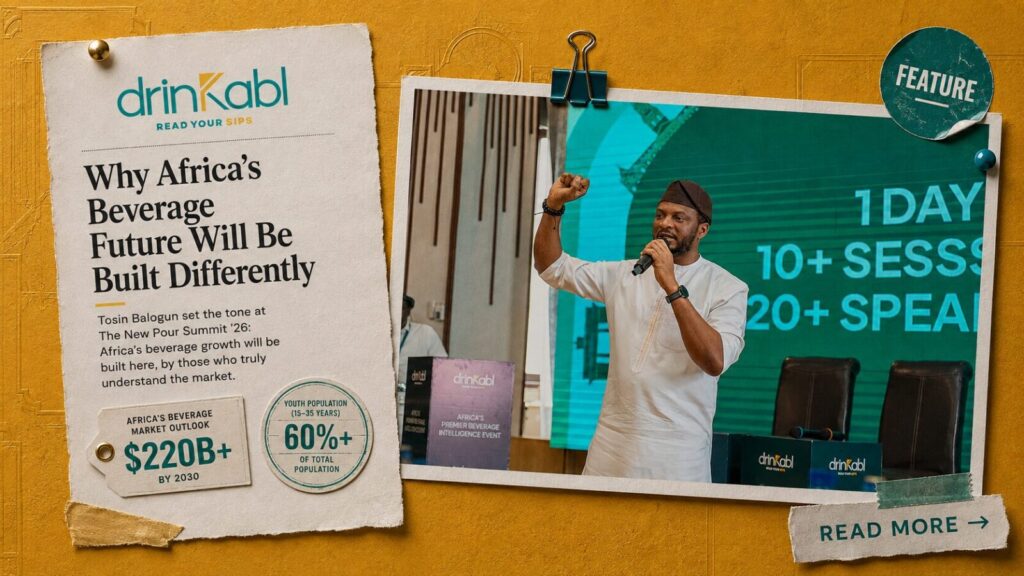
The summit’s broader message was clear: scale in Africa will depend on collaboration, data-sharing, and cross-border thinking. Balogun stressed that brands cannot grow in isolation, especially in markets where distribution challenges, regulatory shifts, and changing consumer expectations can reshape outcomes quickly. The industry, he suggested, needs more than optimism. It needs shared intelligence and practical playbooks.
That is why the summit’s opening tone matters. Rather than celebrating potential in abstract terms, Balogun pushed for clarity on how African beverage brands actually move from concept to consumer. The question is no longer whether African brands can compete. It is whether they can build with enough discipline, cultural fluency, and commercial intelligence to lead.
As Drinkabl positions The New Pour Summit ’26 as a long-form editorial franchise, the opening session sets the foundation for the months ahead. Its central thesis is hard to miss: the future of African beverages will belong to those who understand the market deeply enough to build for it, not merely sell into it.
Read More