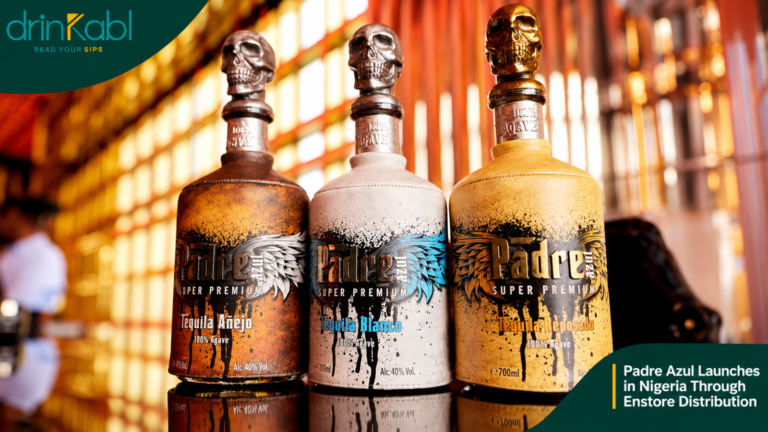

Nigerian Breweries completed full ownership of Distell Wines and Spirits Nigeria in 2025 and named the strategy “Beyond Beer.” The label is accurate, and the urgency behind it is more pressing than the company’s public framing suggests.
The traditional competitive frame for Nigeria’s beer market runs three players: NB Plc, International Breweries, Guinness Nigeria. That framing still governs investor presentations, trade commentary, and brand planning cycles. In 2024, NB Plc posted ₦1.1 trillion in revenue, more than the combined total of its two main rivals, built on a distribution network and brand portfolio few challengers can match. The numbers look like dominance. They may also be measuring the wrong race.
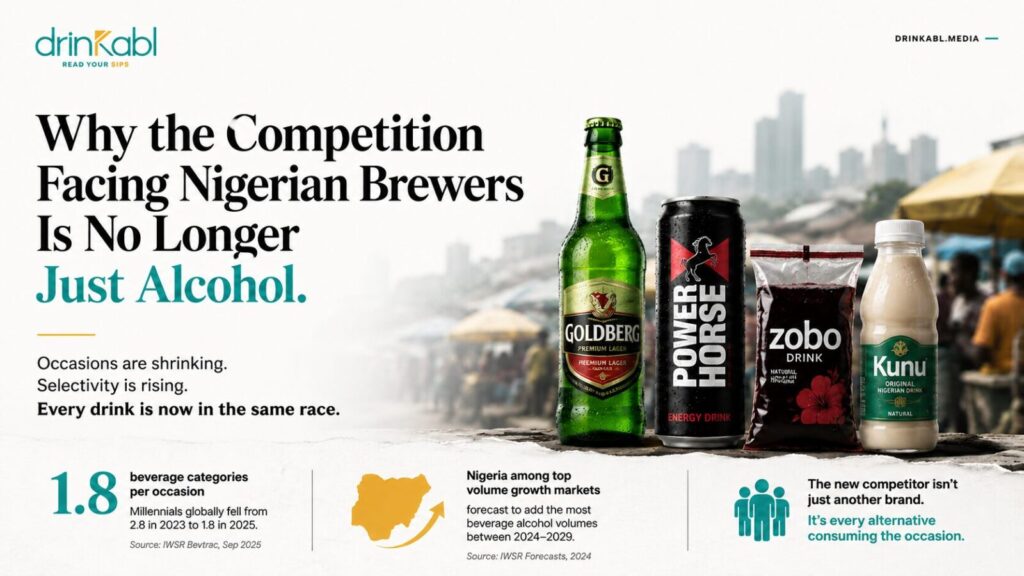
IWSR’s Bevtrac research, conducted across 15 global markets in September 2025, found that Millennial drinkers consumed an average of 2.8 beverage categories per occasion in 2023; by autumn 2025 that figure had fallen to 1.8. Gen Z consumers are showing parallel compression: fewer categories per occasion, with selectivity rising year on year. Nigeria is not in Bevtrac’s 15-market sample, but IWSR’s own volume forecasts identify Nigeria among the countries expected to add the most total beverage alcohol volumes between 2024 and 2029. That growth assumption rests on consumers who are, by the same research, becoming more selective about what wins any given occasion.
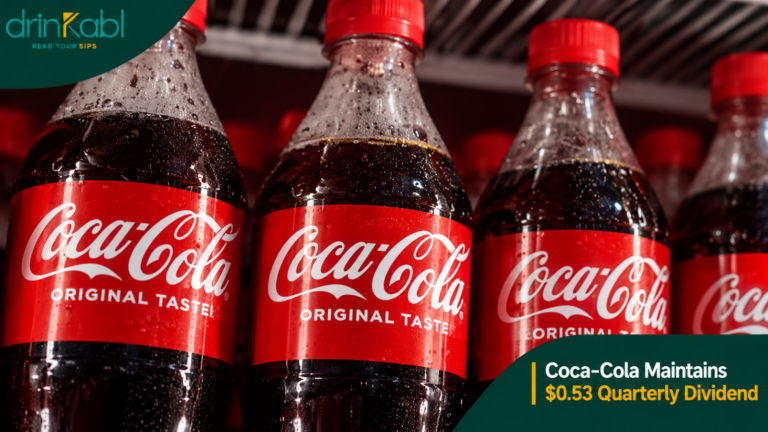
The practical consequence is that a cold Goldberg and a chilled energy drink are competing for the same Friday night budget, not the same shelf. Nigeria’s energy drink market is expanding in volume terms, with Rite Foods, Coca-Cola Nigeria, and Mamuda Beverages among the most active competitors in 2025, gaining ground through aggressive pricing and wider distribution. Packaged traditional drinks, zobo and kunu among them, are adding pressure from a different direction: standardised packaging has brought these products into direct urban retail competition with international formats, and their natural positioning creates resistance among health-conscious consumers.
Nigeria’s brewers have not ignored this. At NB Plc’s April 2026 pre-AGM media briefing, Thibaut Boidin credited category leadership in lager and malt to increased distribution in the right outlets and smart price-pack plays across channels, and separately framed the Distell integration as a deliberate push into wines, spirits, and RTDs. Guinness Nigeria holds a portfolio spanning stout, malt, spirits, and Orijin, a brand that has built equity precisely by positioning at the intersection of alcohol and cultural occasion. The multi-category hedge is real. Whether it is moving fast enough is the operational question.
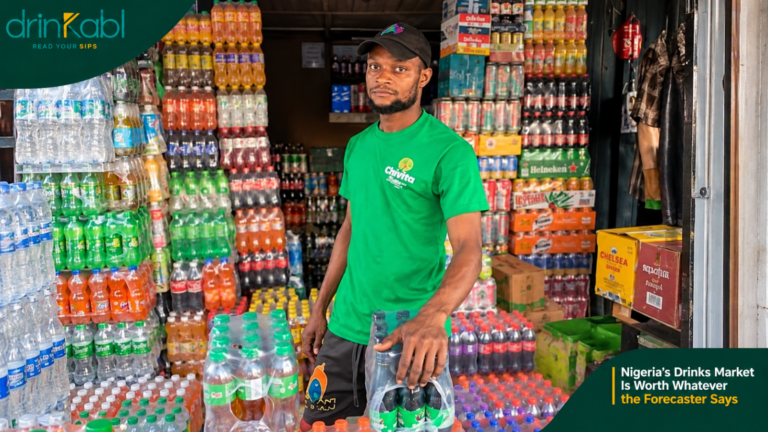
Distribution remains the structural gap. In Nigeria, informal trade accounts for a substantial share of off-premise volume. That channel is where occasion decisions are actually made, where a cold sachet drink, a Big Stout, and a Power Horse all sit within arm’s reach of each other at the same price point. Brewers whose commercial intelligence is calibrated to modern retail share data are working with an incomplete picture of where they are losing occasions, and to what.
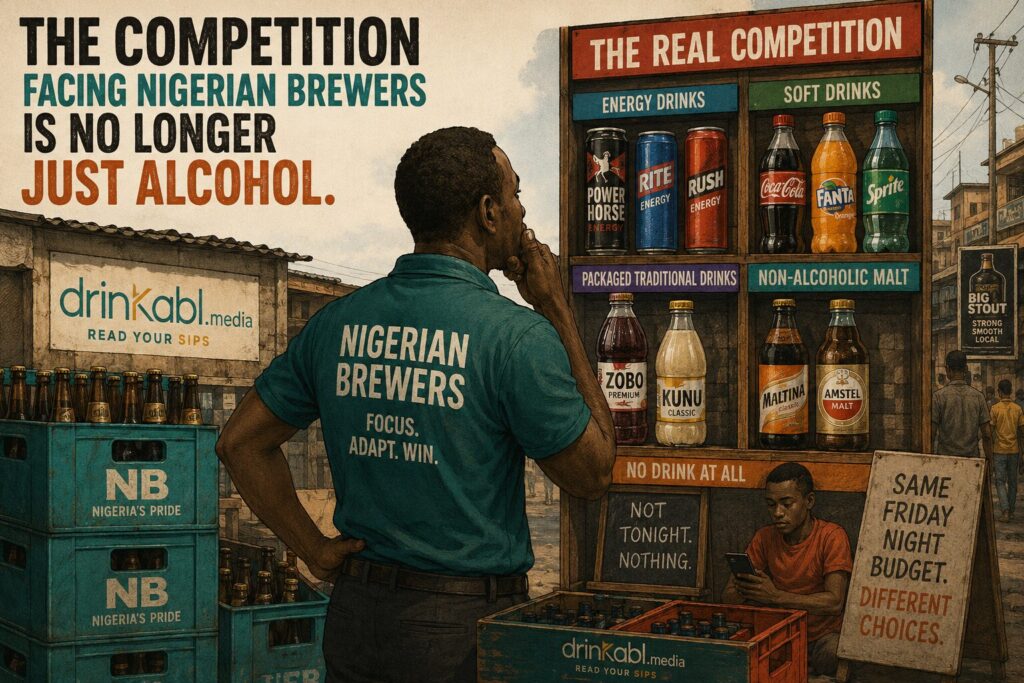
IWSR forecasts standard beer and RTDs as the categories best positioned to capitalise on value-seeking consumer behaviour in 2025 and 2026. For Nigerian brewers, that is useful as far as it goes. It still assumes the competition is beverage alcohol. The question that brand and commercial teams have not yet answered publicly is how they price, position, and distribute against the Friday night that simply does not include a drink at all.
READ MORE