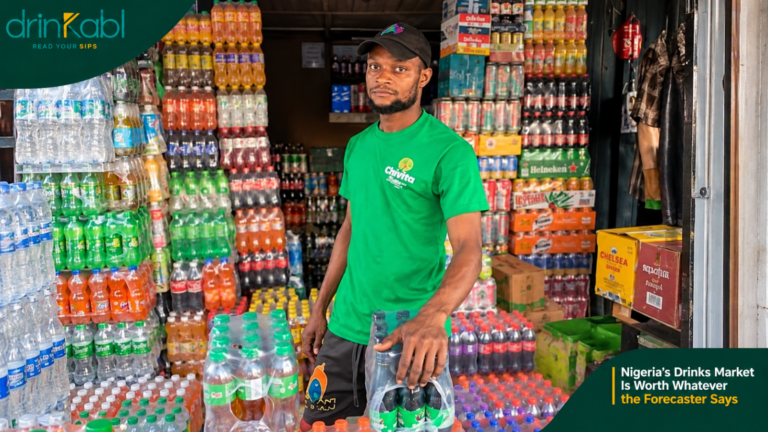


From affordable premiumisation to local manufacturing, the continent’s drinks industry is being reshaped by consumers who want their beverages to work harder.
Africa’s beverage industry is entering a phase that no longer fits neatly into one trend. Consumers still want affordable refreshment, but they are also showing more interest in functionality, convenience, premium experiences, and products built for specific occasions. For beverage companies, the real challenge is telling which global trends carry genuine African potential and which are simply noise. Here are ten worth watching.
1. Affordable Premiumisation
Premiumisation isn’t fading under economic pressure; it’s becoming more selective. Consumers may cut back on everyday purchases while still spending more on products they value for social occasions or personal enjoyment, creating room for “affordable premium” options that upgrade taste, packaging or brand experience without moving fully into luxury territory.
2. Functional Beverages
Consumers increasingly want their drinks to do more than refresh. Hydration, energy, recovery and gut health are becoming central product propositions worldwide, with analytics firm Circana noting that shoppers are increasingly choosing beverages by intended outcome. African companies should watch closely, but localise the proposition rather than copy international wellness trends wholesale.
3. Ready-to-Drink Everything
Ready-to-drink formats are expanding across coffee, cocktails, energy drinks and teas as convenience wins out over preparation. Africa’s rapidly urbanising markets make this especially relevant, though price will decide how far premium RTDs travel beyond affluent urban consumers.
4. Purpose-Built Beverages
The industry is shifting from asking “what flavour do you want?” to “what do you need this drink to do?”, morning energy, workout recovery, socialising or unwinding rewarding brands that understand consumer occasions rather than just demographics.

5. Local Ingredients, Modern Positioning
Sorghum, hibiscus, baobab, tamarind, ginger, kola, cocoa, and coffee give African producers a head start in sourcing ingredients. The opportunity isn’t simply about bottling them but about packaging them with contemporary branding and credible quality, with local relevance that many global competitors can’t easily replicate.
6. Smaller, More Flexible Packs
Pack size is becoming a strategic tool. A smaller upfront purchase can make a product accessible even at a higher price per litre, which matters most where consumers buy frequently in small amounts. The real question isn’t how much product people want, but how much they can spend at once.
7. No- and Low-Alcohol Growth
Moderation is opening new categories globally as younger consumers redefine social drinking. Africa will build its own version of this shift, potentially extending into botanical drinks, functional beverages and premium soft alternatives, if the category can stay culturally relevant.
8. RTD and Cold Coffee
Coffee is moving beyond the café into cold brew and iced formats sold through supermarkets, convenience stores and online retail. Africa’s advantage is unique: it combines major coffee-growing nations with fast-growing urban demand, though producing countries still need to capture more value beyond the raw bean.
9. Beverage Brands as Lifestyle Platforms
Leading brands increasingly sell identity, not just liquid. Coca-Cola HBC’s latest results show how global cultural moments can reinforce engagement; the bottler said World Cup-linked promotions supported demand and brand equity across its markets. African brands have an even bigger opportunity, given the pull of local music, sport and entertainment.
10. Local Manufacturing as Growth Strategy
Perhaps the least glamorous trend, but among the most commercially important: Varun Beverages has expanded its African manufacturing and distribution footprint, including a $32 million acquisition of Devyani Food Industries’ Kenyan beverage business. The broader lesson is that Africa’s beverage opportunity gets easier to capture as production moves closer to consumers and supply chains grow less import-dependent.
Consumers are asking beverages to work harder, affordability without losing quality, convenience without losing experience, local identity without looking outdated.
That’s a demanding environment, but it also creates space for African brands that understand their own consumers better than anyone else. The next winners may not be the companies chasing the biggest global trend, but those that work out which trends actually fit Africa.