
Some bottled water is labelled mineral water, some is purified, and others are marketed as alkaline or electrolyte water. But what do these labels actually mean, and does a higher price necessarily mean better water?
In Nigeria, where sachet water is an everyday purchase and bottled water ranges from budget options to premium brands, understanding these differences can help consumers make better choices and explain how brands compete for a place in the market.
1. Sachet water is sold as “pure water”
Sachet water is one of Nigeria’s most familiar drinking-water formats. It is sold through kiosks, market stalls, roadside vendors and neighbourhood shops, usually at a price that makes it accessible to a wide range of consumers.
But does “pure water” mean the same thing as purified water? Not necessarily. Sachet describes the packaging, while purification describes treatment. Packaged water sold in Nigeria must meet applicable NAFDAC registration requirements.
2. Bottled table water is the familiar alternative
From supermarkets to restaurants and offices, bottled drinking water is available in different sizes and price points. Brands such as Aquafina and Nestlé Pure Life compete in a market where availability, packaging, price and consumer trust influence purchasing decisions.
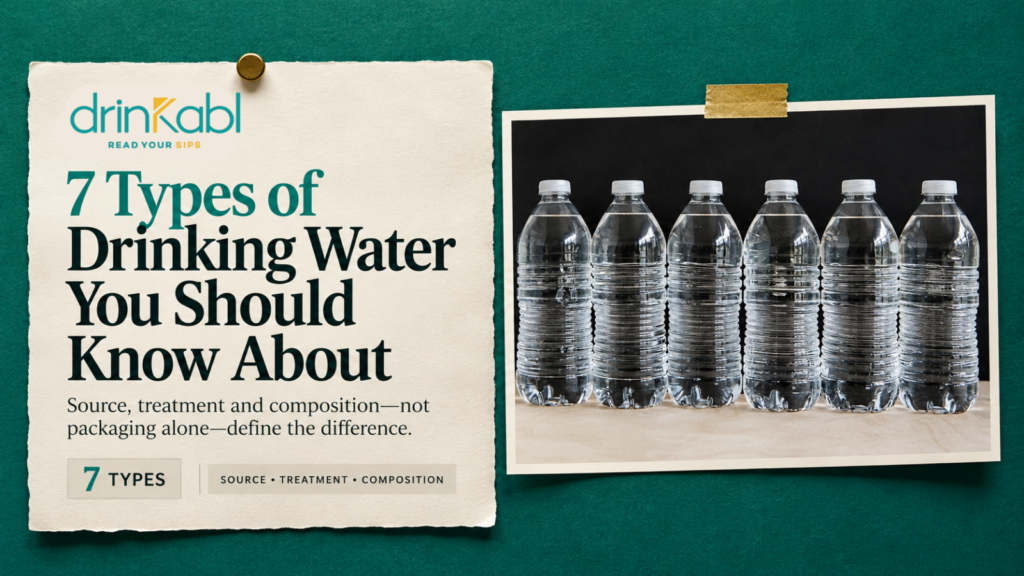
So what makes bottled water different from sachet water? The packaging and format are obvious differences, but the water itself may also differ in its source and treatment. A plastic bottle does not automatically mean the water is mineral water or that it has a higher mineral content.
3. Purified water has been treated to remove impurities
Purified water is produced using processes designed to remove unwanted substances. Reverse osmosis, distillation and other purification methods can be used, depending on the source water and the manufacturer’s process.
Does purification mean that all minerals have been removed? Not necessarily. The outcome depends on the treatment method, and manufacturers may add minerals back after treatment. The important distinction is that purification describes how water is processed, not where it originally came from.
4. Natural mineral water gets its character from its source
Natural mineral water comes from an underground source and has a characteristic mineral composition. Calcium, magnesium, sodium and bicarbonates are among the substances that can influence its taste and chemical profile.
Can a manufacturer simply add minerals to purified water and call it natural mineral water? No. Adding minerals does not make water naturally sourced mineral water. The source, composition and processing must meet the applicable requirements for that classification.
5. Spring water and artesian water come from different sources
Spring water comes from an underground formation that naturally discharges at the surface or is accessed in accordance with the applicable source requirements. Artesian water comes from a confined underground aquifer where pressure raises the water level above the top of the aquifer.
Does either source guarantee safer or healthier water? No. Source descriptions alone do not establish safety or superior quality. Treatment, source protection, testing and compliance with relevant standards still matter, including for products sold in Nigeria.
6. Sparkling water gets its bubbles from carbon dioxide
Sparkling water contains dissolved carbon dioxide, giving it the fizz associated with carbonated drinks. The gas may occur naturally in the water or be added during production.
Is sparkling water the same as soda? Not necessarily. Plain sparkling water can contain no added sugar, while many carbonated soft drinks contain sweeteners, flavourings and other ingredients. For Nigerian beverage makers, sparkling water offers a way to compete in drinking occasions traditionally served by soft drinks, particularly in restaurants, hotels and premium retail outlets.
7. Alkaline and electrolyte water target different preferences
Alkaline water has a pH above neutral, while electrolyte water contains minerals such as sodium and potassium that carry an electrical charge when dissolved in water. Electrolytes may occur naturally or be added during production, and a product can combine both alkaline and electrolyte characteristics.
Does a higher pH or added electrolytes automatically make water healthier? No. The benefits depend on the formulation, the consumer’s needs and the evidence supporting any specific claim. For brands entering this segment, clear labelling and credible product claims matter more than wellness language alone.