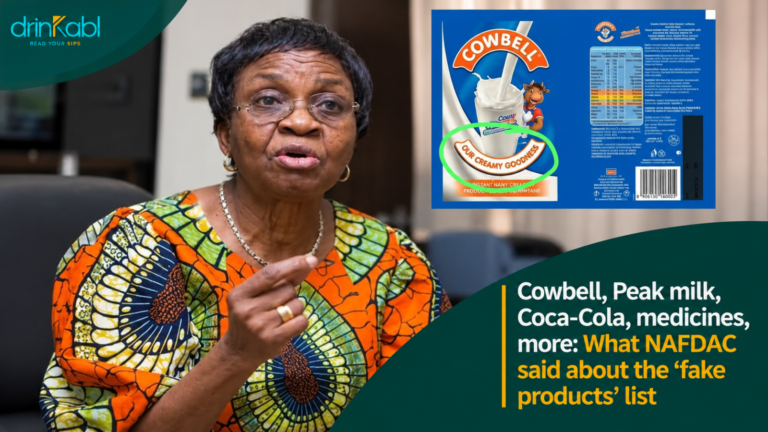


Africa’s beverage industry tells a different story in its numbers than in its headlines. Behind the coverage of new products, acquisitions and regulatory clashes, a handful of figures reveal where the industry’s economics are actually heading.
₦1.5 trillion: Nigerian Breweries’ 2025 group revenue
Nigerian Breweries reported group revenue of ₦1.5 trillion for 2025, a scale that underscores how large Nigeria’s beer and broader beverage market remains even as manufacturers continue to absorb high operating costs. The figure matters less for its size than for what it confirms: a single major beverage manufacturer can carry serious commercial weight within Nigeria’s consumer economy.
₦55.95 billion: Nigerian Breweries’ Q1 2026 profit
The company followed that with a profit of ₦55.95 billion for the first quarter of 2026. For industry watchers, the more useful question sits beneath the headline number. Profitability across African beverage markets is increasingly shaped by pricing, product mix, input costs, foreign exchange exposure, logistics and manufacturing efficiency, not revenue growth alone.
21+ brands: the portfolio competition
Nigerian Breweries says its portfolio spans more than 21 brands across beer, non-alcoholic drinks, stout and spirits. That breadth points to a wider industry shift: beverage companies are no longer competing within a single category. They are building portfolios designed to capture different occasions, income groups and consumer preferences at once.
14 brands: Rwanda’s regulatory intervention
Rwanda’s suspension of 14 Tanzanian alcoholic beverage brands adds a different kind of number to the watch list. Its significance goes beyond the brands named. Fourteen products can touch multiple manufacturers, distributors and retailers, meaning a single border decision can ripple quickly through an entire regional supply chain.
What the numbers add up to
Three conclusions follow. African beverage markets are large enough to sustain industrial-scale businesses. Portfolio diversification matters more as consumers shift between categories and price points. And regulation can alter market access fast enough that it belongs in commercial planning, not just compliance meetings.
The next generation of beverage intelligence will need to track more than consumption volumes. Revenue, margins, capacity, distribution, pricing and regulatory exposure are the figures that will increasingly decide who wins Africa’s beverage race.
Read More: