
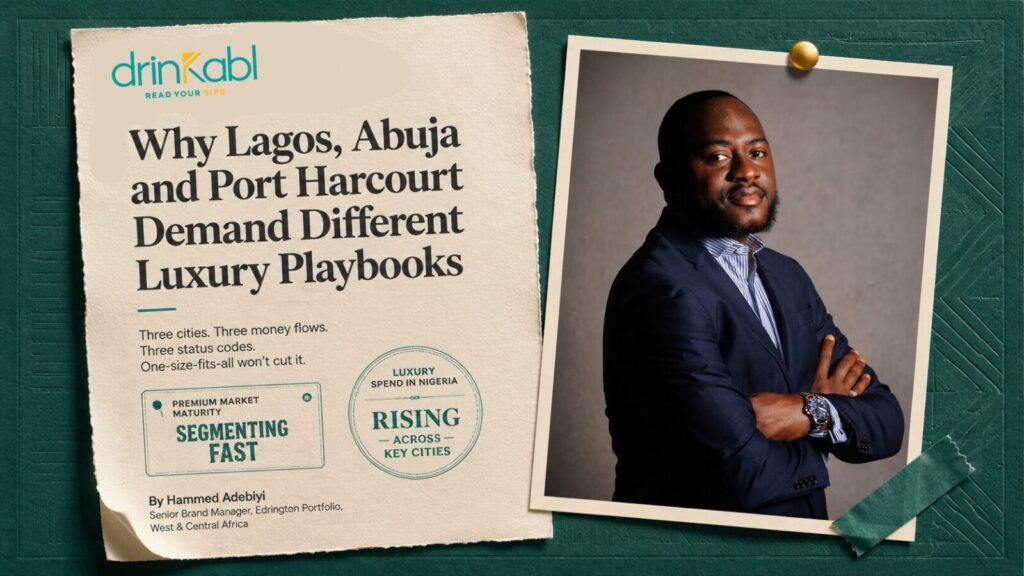
By Hammed Adebiyi
Nigeria is often framed as a single emerging luxury market because that framing is tidy for slide decks and regional briefs. It is also dangerously misleading for brands that care about lasting premium equity and measurable commercial returns.
The reality is simple: Lagos, Abuja and Port Harcourt operate as three different luxury markets, each with distinct money flows, status codes and expectations of what luxury should feel and do. Brands that persist with a one-size-fits-all Nigeria strategy will increasingly waste budgets, erode credibility and miss the customers who matter most.
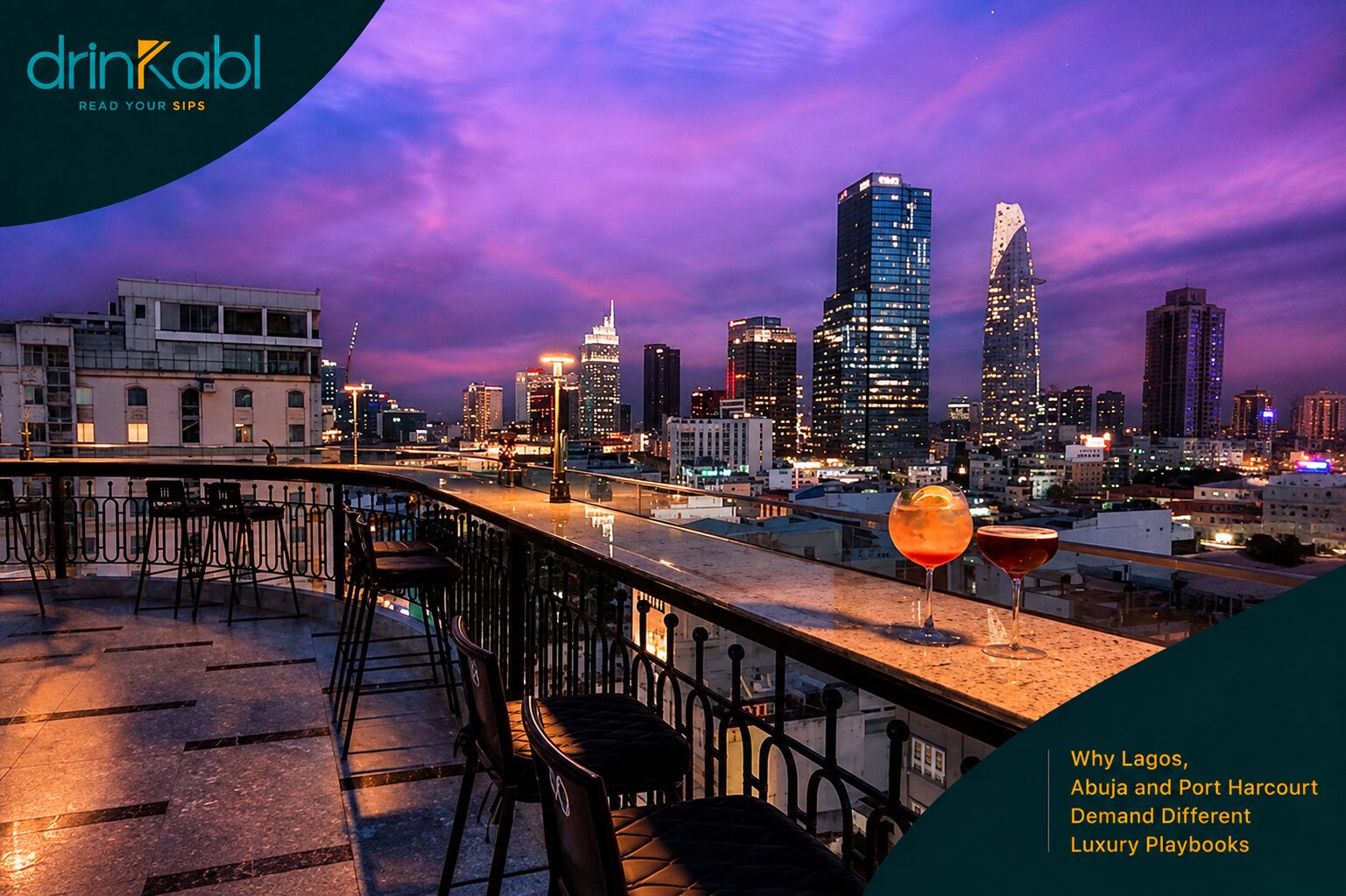
Lagos is the theatre of modern Nigerian premium life. Luxury here is performed publicly, at restaurants, rooftop bars, private clubs, gallery openings, fashion shows and headline brand moments. That performance economy makes Lagos the natural home for experiential marketing. Launches, creative collaborations and high-visibility activations are designed to be shared as much as they are designed to sell. Recent The Macallan launches and cultural partnerships in Lagos show how a heritage brand converts careful staging into visibility, endorsement and desirability.
A winning Lagos playbook prioritises cultural relevance over simple price mechanics. It asks who will see the brand being lived, which local partners make a gesture credible, and which experiences produce the media moments that both aspirants and established high-net-worth individuals prize. In Lagos, disciplined spectacle, executed with local cultural intelligence, earns the right to be premium.
Abuja operates by a different logic and pace. Spending is anchored in governance, diplomacy, corporate leadership and long-tenured institutional relationships. The premium consumer here values discretion, predictable service and trust, not public spectacle. Where Lagos rewards visibility, Abuja rewards proximity and continuity. The right activation in Abuja is a curated, invitation-only tasting, a private salon with carefully chosen hosts, or a relationship built over time with diplomatic residences, corporate general managers and policy circles. Loud, influencer-heavy activations that play well in Lagos can feel badly out of place in the capital. In Abuja, the levers that move purchase decisions are credibility and the right introductions, not attention for its own sake.
Port Harcourt’s premium economy is tightly tied to oil, gas and logistics. Wealth is concentrated and circulates within close professional and social networks. Status travels by club membership, corporate hospitality and personal recommendation. For brands, success rarely comes from broad public campaigns. It comes through deep relationships with top hotels, private clubs and corporate hosts. Repeated service excellence and reliable presence signal respect for the customer’s time and position. Port Harcourt rewards depth over scale. A consistent relationship with the right gatekeepers will deliver disproportionate returns.
This framework is itself incomplete, Kano and the broader northern market operate on different cultural and religious codes entirely. But the first step is simply abandoning the fiction that Nigeria is one market.
Most multinational brand briefs still default to a Lagos creative and media plan rolled out nationally. The result is predictable: the campaign catches fire in Lagos, underperforms in Abuja and largely goes unnoticed in Port Harcourt. The brand is left asking why the same investment produced uneven outcomes. This pattern repeats because national briefs emphasise reach and uniformity rather than the differing motivations and cultural codes that make a premium purchase meaningful in each city.
Heritage spirits make a useful testing ground because they must balance global provenance with local culture. The Macallan’s staged launches in Lagos, curated soirees, cultural partnerships and selective hospitality, build awareness and aspirational pull. But the same brand needs very different activations in Abuja and Port Harcourt. A private tasting for diplomatic households in Abuja will not create Instagram frenzy, but it will secure institutional trust and reduce churn among corporate buyers. A sustained hospitality partnership with top venues in Port Harcourt’s gated districts will drive concentrated repeat revenue from a small, lucrative cohort. The trade-offs are clear: Lagos builds awareness, Abuja protects institutional relationships, Port Harcourt drives repeat revenue.
If cities require different strategies, they also require different metrics. Lagos’ success can be measured by media value, social engagement and aspirational purchase behaviour. Abuja success should be measured by depth of corporate and diplomatic relationships, closed institutional orders and longevity of trade contracts. Port Harcourt success should be measured by quality of venue partnerships, repeat corporate business and recurring high-value sales. Move beyond campaign reach and track the right relationship and revenue signals by city.
The practical starting point is simple. Start with a city map, not a national map. Allocate budgets to reflect the business logic of each city, culture in Lagos, governance in Abuja, corporate hospitality in Port Harcourt. Use different media mixes. Build local partner lists that reflect who actually holds influence in each market. There will be added planning cost up front, but the return on invested marketing will be higher and more durable.
Nigeria’s premium market is not just growing. It is maturing and segmenting. Treating the country as a single test market will be an increasingly expensive mistake. The brands that will thrive over the next decade will be those willing to learn the languages of each city, tailor playbooks to underlying economies and codes, and measure success by outcomes that matter. Luxury is earned city by city, ecosystem by ecosystem, not declared in a single national campaign.
Hammed Adebiyi is Senior Brand Manager for the Edrington portfolio in West and Central Africa. The Macallan, referenced in this piece as a market illustration, is part of the Edrington portfolio he manages.
Read More: