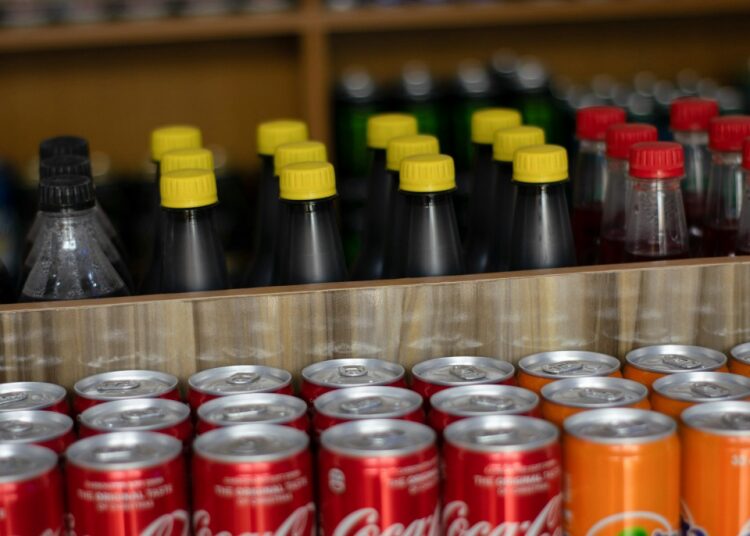

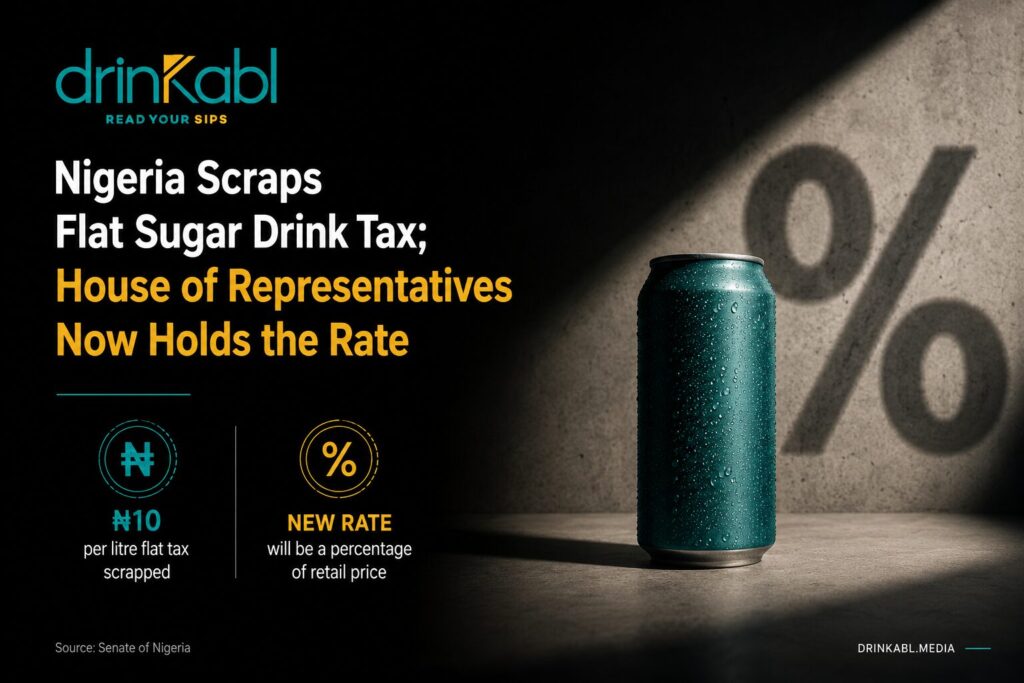
Nigeria’s Senate has abolished the fixed ₦10-per-litre excise on sugar-sweetened beverages and handed the Minister of Finance discretion to set a new percentage-based rate tied to retail prices, leaving manufacturers to plan around a tax number that does not yet exist.
The bill, which passed its third reading last week, amends the Customs, Excise Tariffs, etc. (Consolidation) Act 2004. It replaces the flat levy with a percentage of retail price, with the rate to be set by the Minister of Finance “in line with global best practices,” according to the Senate committee report. A portion of the revenue will be earmarked for health promotion and disease prevention programmes. The Senate’s Joint Committee on Finance and Customs presented the bill as a corrective measure, noting that the ₦10 rate had been “significantly eroded by inflation” since its introduction under the Finance Act of 2021.
Investors thrive on predictability. Frequent additions to the tax burden send the wrong signal to both existing and prospective investors.”, Dr. Muda Yusuf, CEO, CPPE
The fiscal target is explicit. The new framework is designed to exceed the ₦108.6 billion the Nigeria Customs Service collected from sugar-sweetened beverages between 2022 and September 2025. For manufacturers, the arithmetic runs in one direction: the undefined percentage rate will almost certainly produce a higher per-litre burden than ₦10, particularly for premium-priced products.
The Senate also recommended that the government explore tax structures reflecting actual sugar content, with the stated intention of pushing manufacturers to reformulate and reduce sugar levels. That recommendation, if translated into implementation guidelines, would affect product development decisions across the non-alcoholic beverage sector.
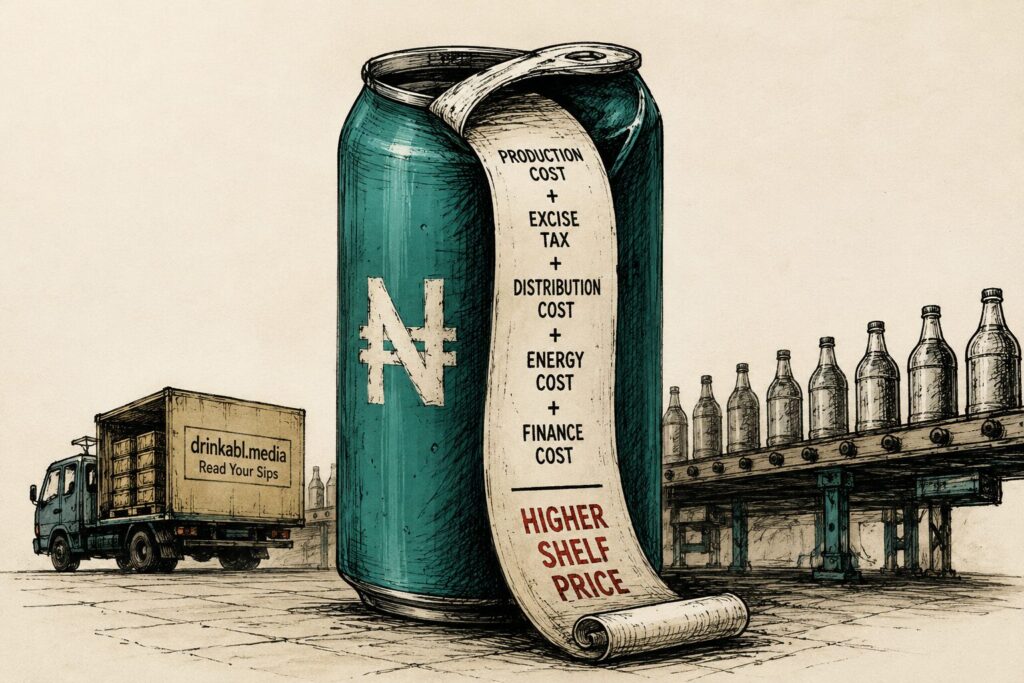
The Centre for the Promotion of Private Enterprise and the Manufacturers Association of Nigeria have called on the House of Representatives to reject the bill. CPPE’s CEO Dr. Muda Yusuf argues that beverage producers are already operating under the ₦10 excise alongside high energy costs, naira depreciation, elevated interest rates, and weak consumer purchasing power. Adding a percentage-based levy that scales with shelf prices compounds every other input pressure simultaneously.
“Investors thrive on predictability. Frequent additions to the tax burden send the wrong signal to both existing and prospective investors,” Yusuf said.
The Lagos Chamber of Commerce and Industry filed a separate objection along the same lines. Both groups point to the food and beverage sector’s role across agriculture, packaging, logistics, and distribution as evidence that a tax on manufacturers is a tax on the broader value chain.
Public health advocates hold the opposite position. Corporate Accountability and Public Participation Africa, which backed the bill throughout the Senate process, cited data showing nearly one in three deaths in Nigeria is now linked to non-communicable diseases, with over 11 million Nigerians living with diabetes. Nigeria ranks fourth globally in SSB consumption by total volume, with SSB intake rising 123 percent between 2008 and 2022. CAPPA’s position is that the ₦10 rate was never high enough to change behaviour and that an inflation-linked structure is the minimum necessary to make the tax functional.
The bill now moves to the House of Representatives. The rate the Minister of Finance eventually sets will determine whether the tax functions as a consumption deterrent, a revenue mechanism, or both. Until that number exists, distributors carrying non-alcoholic beverage stock and manufacturers running their 2026 cost models are pricing against an open variable.
READ MORE