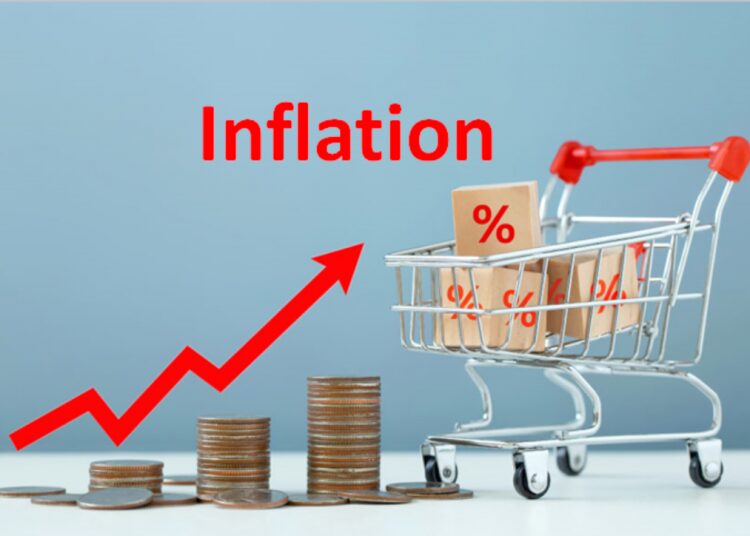

Nigeria’s headline inflation rate rose to 15.93% in May 2026, marking the third consecutive monthly increase this year and signalling that cost pressures remain embedded in the economy despite a sharp improvement from last year’s levels.
Data released by the National Bureau of Statistics (NBS) showed the Consumer Price Index rose to 140.7 in May from 138.3 in April. While month-on-month inflation slowed to 1.75% from 2.13%, annual inflation continued its upward trajectory, climbing from 15.69% in April.
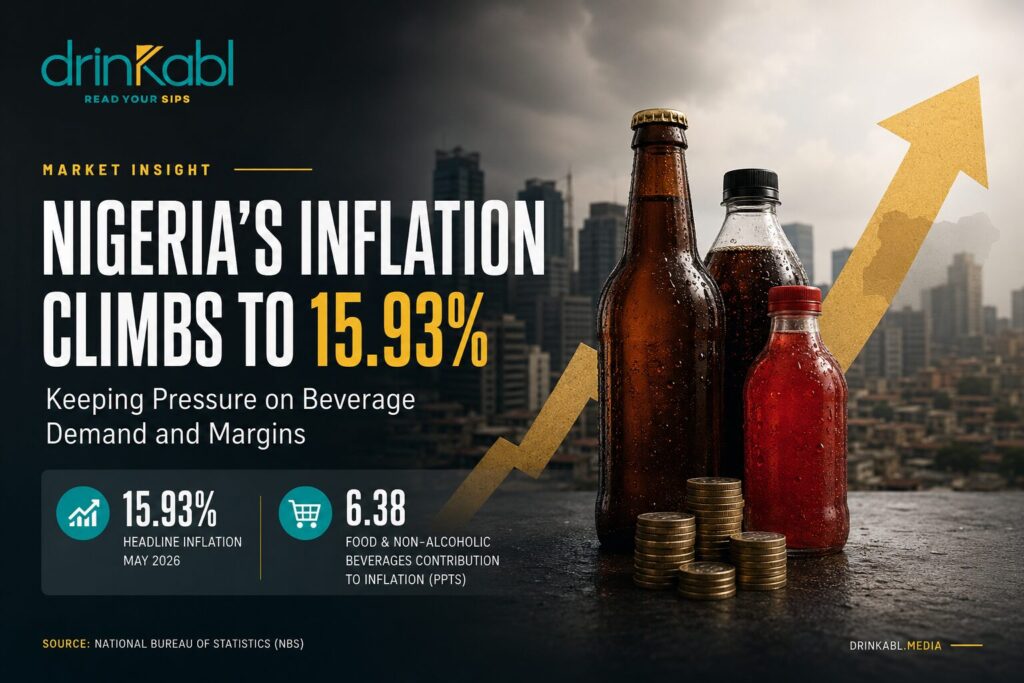
For beverage manufacturers, the latest figures offer a mixed picture. Inflation has fallen significantly from the 26.06% recorded in May 2025, but consumers continue to face rising living costs, limiting spending power across both alcoholic and non-alcoholic beverage categories.
Food and non-alcoholic beverages remained the largest contributor to inflation, accounting for 6.38 percentage points of the headline figure. The NBS attributed higher food prices to staples including onions, maize, tomatoes, cassava products, yam, plantain and cowpea.
That trend matters for beverage producers. As households allocate more income to essential food purchases, discretionary spending on beer, spirits, carbonated soft drinks, energy drinks and premium beverage offerings often comes under pressure.
The report also highlighted continued cost pressures in restaurants and accommodation services, which contributed 2.06 percentage points to inflation. The hospitality sector remains a critical route to market for brewers, distillers and soft drink companies, particularly in urban centres where on-trade consumption drives brand visibility and premium product sales.
Transport costs, which contributed 1.70 percentage points to headline inflation, remain another concern for the industry. Distribution represents one of the largest operating expenses for beverage companies in Nigeria, affecting everything from raw material movement to depot operations and last-mile delivery.
Core inflation, which excludes agricultural produce and energy, accelerated month-on-month to 1.94% from 1.03% in April. The increase suggests that underlying price pressures remain widespread across the economy even as food inflation moderates.
For beverage manufacturers, that could translate into continued pressure on packaging, logistics, labour and other operating costs throughout the second half of the year.
The inflation data also revealed significant regional disparities. Yobe recorded the highest annual inflation rate at 24.94%, followed by Anambra at 23.29% and Sokoto at 22.60%, while Niger posted the lowest rate at 3.07%.
The gap is becoming increasingly important for beverage companies managing national distribution networks. Pricing strategies, promotional activity and product mix decisions may need to become more regionalised as consumer purchasing power diverges across states.
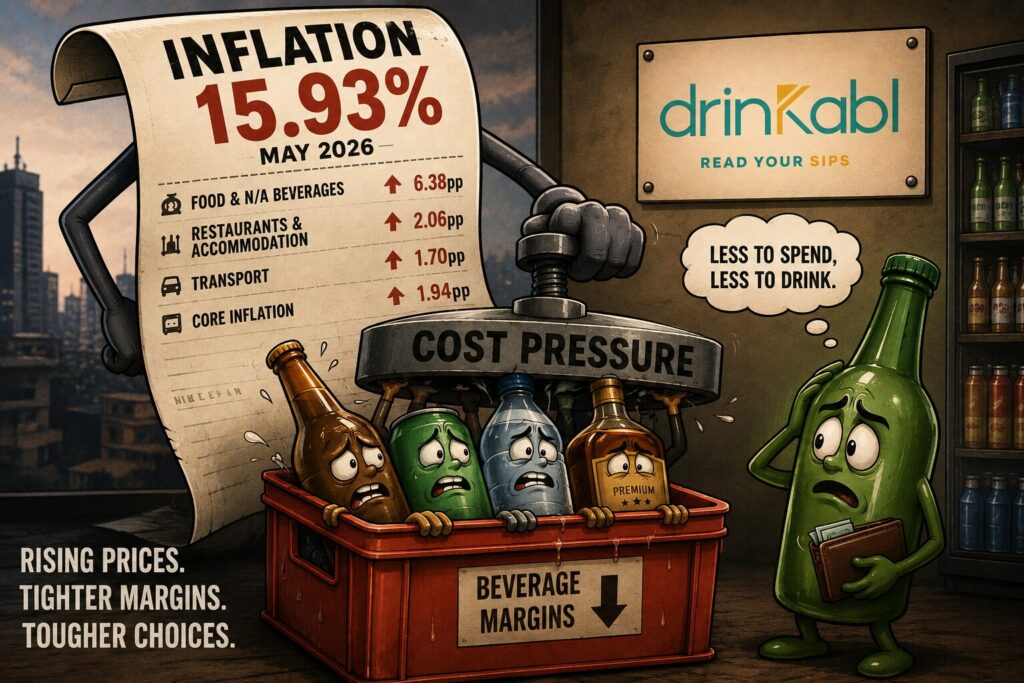
While inflation remains well below last year’s peak levels, the latest figures suggest the industry’s operating environment remains challenging. Beverage producers may find some relief in slower monthly inflation, but persistent pressure on household budgets and business costs is likely to keep volume growth and margin expansion under close scrutiny in the months ahead.
READ MORE