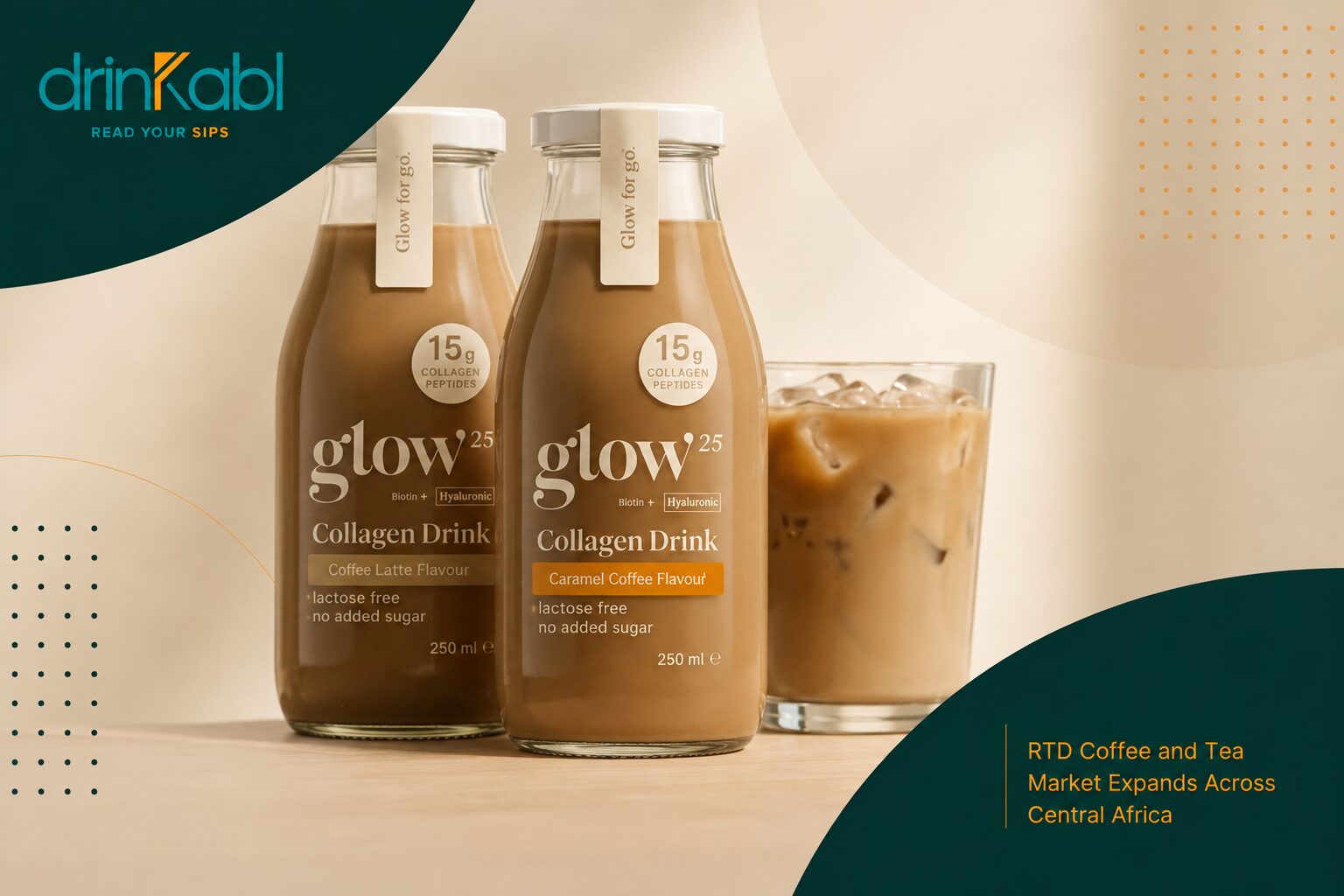

Central Africa’s ready-to-drink coffee and tea market is expanding as consumers increasingly seek convenient beverages that require no preparation, according to the latest Statista Market Insights assessment.
The category covers packaged coffee and tea sold in liquid form, including PET bottles, glass bottles, cans and cartons, and excludes dry products such as instant coffee, coffee beans, tea leaves and tea bags. Statista splits the segment into RTD coffee and RTD tea and tracks sales across both retail and out-of-home channels, including supermarkets, hypermarkets, e-commerce and convenience stores at one end, and hotels, restaurants, cafés, bars and catering at the other.
That distribution structure gives beverage companies several routes to market, but each carries different requirements for packaging, pricing and availability. A product built for supermarket shelves runs on different economics from one designed for convenience outlets or hospitality venues.
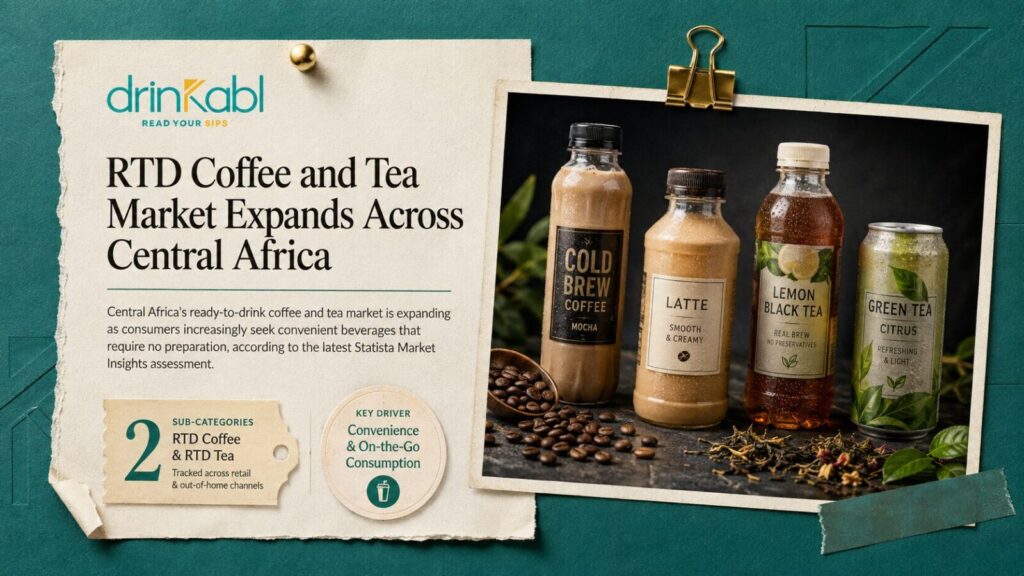
Convenience and on-the-go consumption are the assessment’s headline demand drivers. Urban consumers with busier lifestyles are increasingly turning to packaged beverages they can drink while travelling, working or moving between daily activities, a shift that puts RTD coffee and tea in competition with established non-alcoholic categories rather than confining them to the traditional hot-beverage market.
The two sub-categories are being pulled forward by different forces. RTD coffee is benefiting from demand for convenient caffeine, particularly in urban markets, with Central Africa’s warm climate supporting appetite for chilled coffee products alongside rising urbanisation and purchasing power. RTD tea is moving on a health and natural-ingredient proposition instead, spanning iced, black, green, fruit and mate variants, with Statista’s wider African assessment naming healthier beverage choices as the category’s key driver.
The category has already drawn established global players. Statista lists Nestlé, Starbucks, PepsiCo, The Coca-Cola Company and Unilever among key participants in the broader RTD coffee and tea market, while its RTD coffee assessment names Starbucks, Nestlé, Coca-Cola and Suntory as leading companies tracked in that segment specifically.
For Central African manufacturers, that multinational presence does not close the field. It creates room to build locally adapted flavours and formats alongside international brands already established in the category, echoing a pattern Drinkabl.media has tracked across other beverage segments where global entrants and local players are increasingly competing for the same occasions rather than separate ones.
The next stage of competition is likely to centre less on entry and more on retention: how effectively companies can convert the convenience proposition into repeat consumption across a region where RTD formats are still a comparatively new way to buy a drink that was previously made at home.
READ MORE