
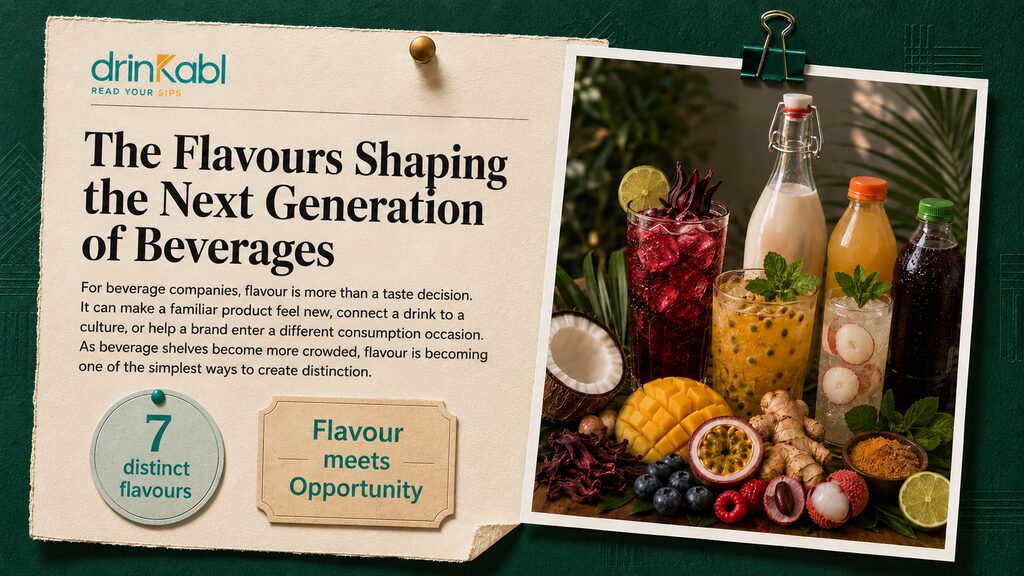
For beverage companies, flavour is more than a taste decision.
It can make a familiar product feel new, connect a drink to a culture, or help a brand enter a different consumption occasion. As beverage shelves become more crowded, flavour is becoming one of the simplest ways to create distinction.
The interesting shift is that the industry is not necessarily searching for completely new flavours. It is reworking familiar ones; changing combinations, formats and occasions to make them feel relevant again.
For African beverage companies, that is particularly interesting because several flavours gaining attention globally are already familiar to consumers across the continent.
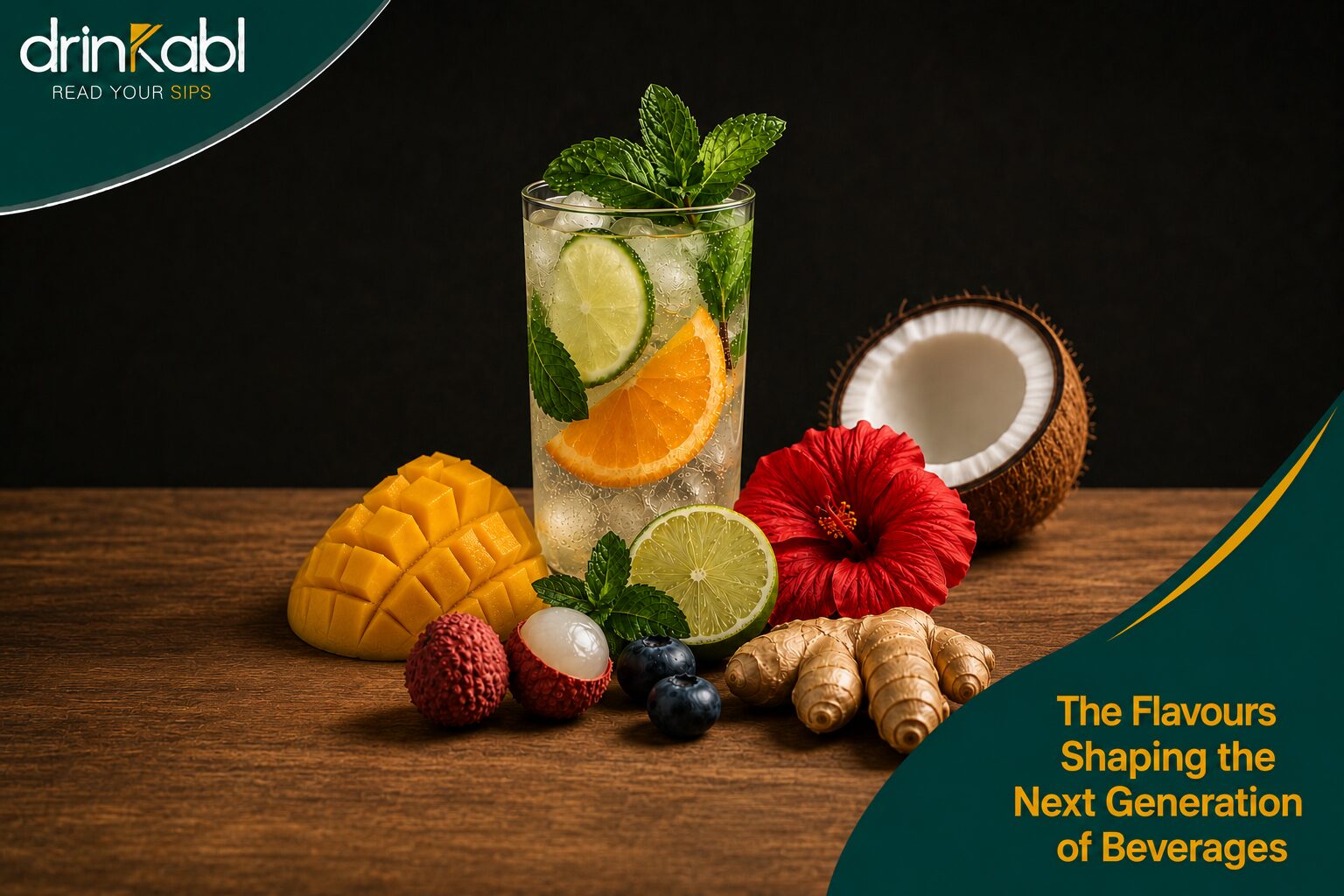
Here are seven worth watching.
1. Citrus: Familiar, but still evolving
Bright. Fresh. Versatile.
Lemon, lime and orange have been beverage staples for decades. But even this familiar category is being refreshed.
7UP recently introduced Lime Lemon, shifting its traditional lemon-lime profile towards a more lime-forward taste. The move represents something bigger than a new variant: even established brands are finding ways to make familiar flavours feel new again.
The opportunity is not always to introduce an unfamiliar ingredient. Sometimes, it is to change the balance of something consumers already know.
2. Mango: The tropical mainstream
Tropical. Familiar. Adaptable.
Mango has moved well beyond juices and fruit drinks. It now appears across carbonated soft drinks, energy drinks, teas, cocktails and functional beverages.
Fanta Mango is a useful example of a global soft-drink brand taking a distinctly tropical flavour into mainstream carbonates. It is not widely available across African markets, but its presence elsewhere shows how mango has become a global flavour extension.
In Nigeria, Coca-Cola’s 5 Alive portfolio also demonstrates the versatility of mango through products such as Mango Burst.
Mango works because consumers rarely need an explanation for it. It is familiar enough to feel safe and distinctive enough to make a product feel different.
3. Berry: Familiarity with a twist
Fruity. Vibrant. Versatile.
Berry flavours can move between indulgence, refreshment and wellness, making them useful across multiple beverage categories.
In Nigeria, 5 Alive Berry Blast is a strong example. Its berry blend, including blackcurrant, grape, raspberry and strawberry, has built familiarity in a market where berries are not traditionally dominant beverage flavours.
The lesson is important: a flavour does not have to be local to become locally relevant.
4. Lychee: When regional flavours travel
Floral. Fragrant. Distinctive.
Lychee is an example of an Asian-origin flavour moving into modern beverage formats, from sparkling drinks and teas to cocktails.
Its rise reflects a broader appetite for flavours that carry a sense of place. Ingredients once associated strongly with particular regions can now travel through global beverage formats.
For African brands, that creates an interesting possibility, that local flavours can make the same journey.
5. Ginger: Where heritage meets wellness
Familiar. Spicy. Functional.
Ginger already has a strong place in African beverage culture. It is also established globally in soft drinks, mixers and teas.
Its advantage is that it can communicate familiarity, intensity and a perception of functionality at the same time. That makes it particularly relevant as wellness continues to influence beverage development.
For African brands, ginger does not need to be introduced as a trend. The ingredient is already here. The opportunity is to reinterpret it.
6. Coconut: Flavour meets function
Tropical. Refreshing. Hydrating.
Coconut sits naturally between flavour and function, making it useful across water, electrolyte drinks, juices and RTDs.
Coca-Cola’s 5 Alive Cocopine Delight, which combines coconut and pineapple, shows how familiar ingredients can be paired to create something that feels new without becoming difficult to understand.
That combination is increasingly important. Consumers do not experience flavours in isolation. Brands are using familiar ingredients in new combinations to create new occasions.
7. Hibiscus: Africa’s flavour opportunity
Tart. Floral. Cultural.
Hibiscus may be the most interesting flavour on this list from an African perspective.
Across the continent, it is already part of established beverage traditions: zobo in Nigeria, bissap in parts of West Africa and sobolo in Ghana.
The opportunity is to take that familiarity into modern formats.
Hibiscus has the colour, acidity and distinctive profile to work in sparkling drinks, teas and functional beverages. More importantly, it carries a cultural story that imported flavour trends cannot easily replicate.
It can be an identity, not just an ingredient.
The bigger flavour shift
These flavours point to a larger change in beverage innovation. Consumers still want things they recognise. But they also want discovery. That is why brands are increasingly experimenting with familiar ingredients in unfamiliar combinations and formats.
Alcohol is part of this movement too. Smirnoff’s Mango & Passionfruit Twist, for example, combines two tropical profiles within an established spirits brand, demonstrating how familiar fruit flavours can move between soft drinks, cocktails and alcohol.
The opportunity for African beverage companies is even more interesting.
The continent has an extensive library of fruits, botanicals, spices and traditional drinks that remain underdeveloped and untapped as modern consumer brands.
Hibiscus. Ginger. Tamarind. Baobab. Tiger nuts.
The challenge is not simply finding the next flavour. It is identifying which familiar ingredients can travel, which combinations can create new occasions, and which stories can give a product an identity beyond its taste.
The next big flavour may not need to be discovered.
It may simply need to be developed, packaged and scaled.
READ MORE