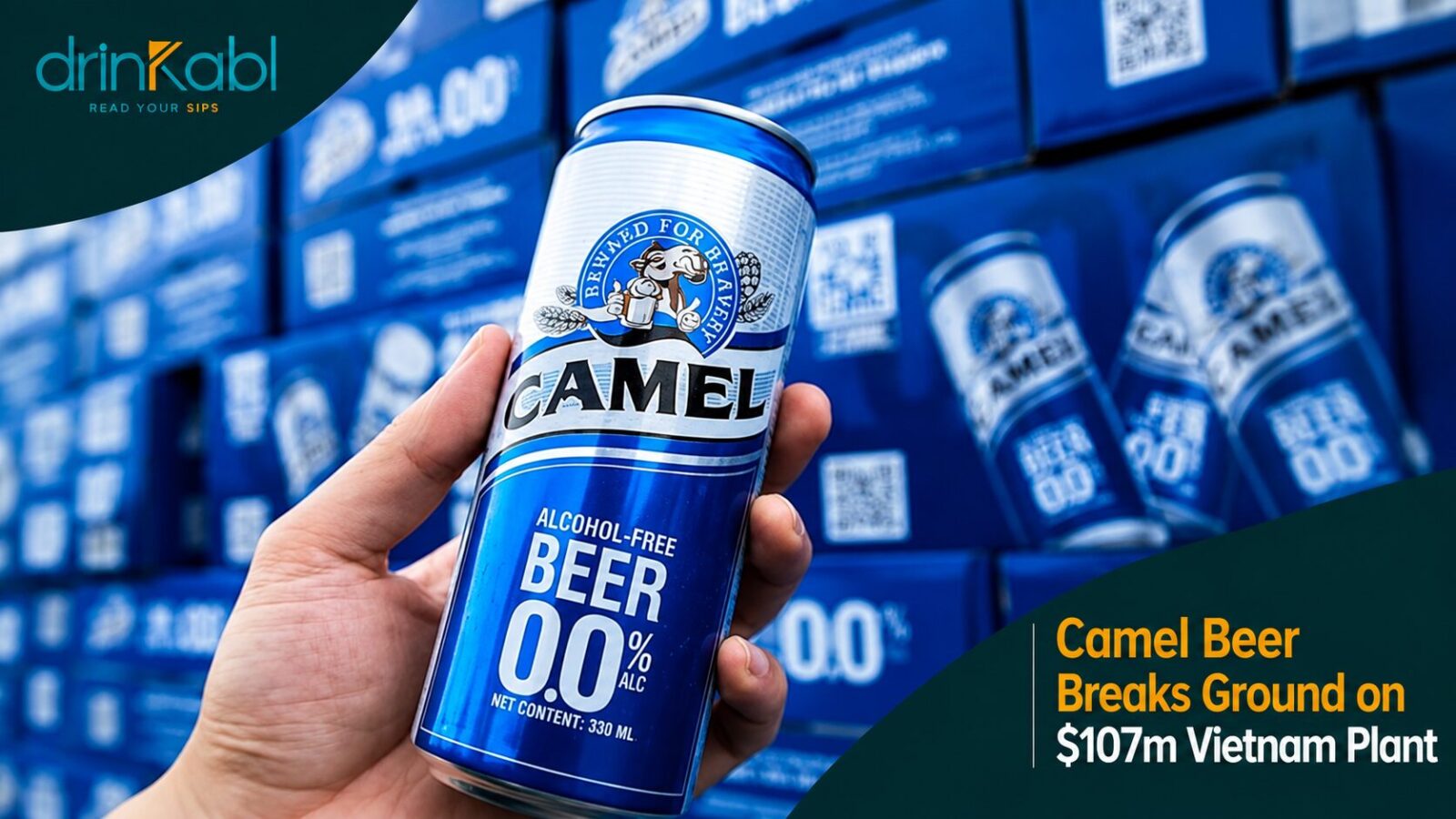

Vietnamese brewer Camel Beer has broken ground on a VND2.78 trillion (US$106.78 million) brewery and beverage plant in southern Vietnam, giving the company a major new production base. The Camel Hau Giang Beer and Beverage Plant sits on 10.7 hectares at Tan Phu Thanh Industrial Park in Can Tho.
The first phase carries an investment of more than VND1.8 trillion (US$69.19 million) and is designed to produce 150 million litres of beverages a year. Commercial production is scheduled to start in 2027.
Once both phases are finished, the plant is expected to reach an annual capacity of 400 million litres, split evenly between beer and non-alcoholic drinks. That dual output model matches a wider pattern in the beverage industry, where brewers, including some building similar capacity across African beer markets, increasingly add categories rather than committing a factory to beer alone. For Camel, the non-alcoholic line adds production room for its beverage portfolio while the brewery keeps growing its beer business. The location also shortens the distance between the factory and major southern markets, including the Mekong Delta and Ho Chi Minh City, which can lower freight costs and speed up delivery.
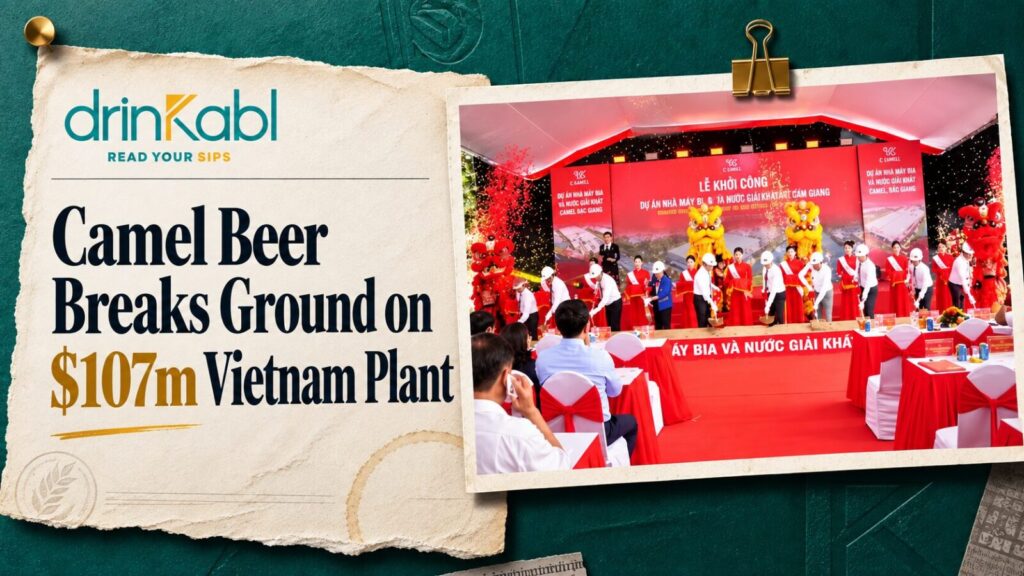
The project took nearly two years to move from proposal to groundbreaking. Vietnam News reported in November 2024 that the proposed Hau Giang factory then carried an investment requirement of more than VND2.7 trillion and was planned on more than 100,000 square metres of land, with local officials pushing for faster land clearance to keep the timeline on track. That early estimate is close to the figure now attached to the completed groundbreaking, though the project has since gained a clearer production schedule and phased capacity plan. Can Tho officials have asked the investor to keep construction on pace while meeting quality, safety and environmental standards.
Camel has also framed the plant as part of its international growth, saying its products already reach markets across Asia, Europe, Africa and the Americas. The company expects the new site to feed both its domestic distribution network and its export business, giving the investment two jobs to do at once: supplying southern Vietnam and building spare capacity for markets abroad. Camel’s financial plan projects the plant will generate about VND5.7 trillion (US$219.1 million) in annual revenue and pay roughly VND1.5 trillion (US$57.66 million) a year into the state budget once it reaches full output. Those figures remain projections tied to the plant hitting its planned production and demand targets.
The investment lands in a Vietnamese beer market that keeps drawing capital from domestic and international players despite shifting consumption patterns and tighter regulation. For competitors watching the build, the bigger signal may be structural rather than financial: Camel is combining beer, soft drinks, domestic distribution and export capacity in one southern hub, a model that mirrors how large beverage deals elsewhere have reshaped market scale.
Read more: