
With regulatory approval in South Africa secured, the accounting will show how much of the price becomes goodwill and how much becomes identifiable assets.
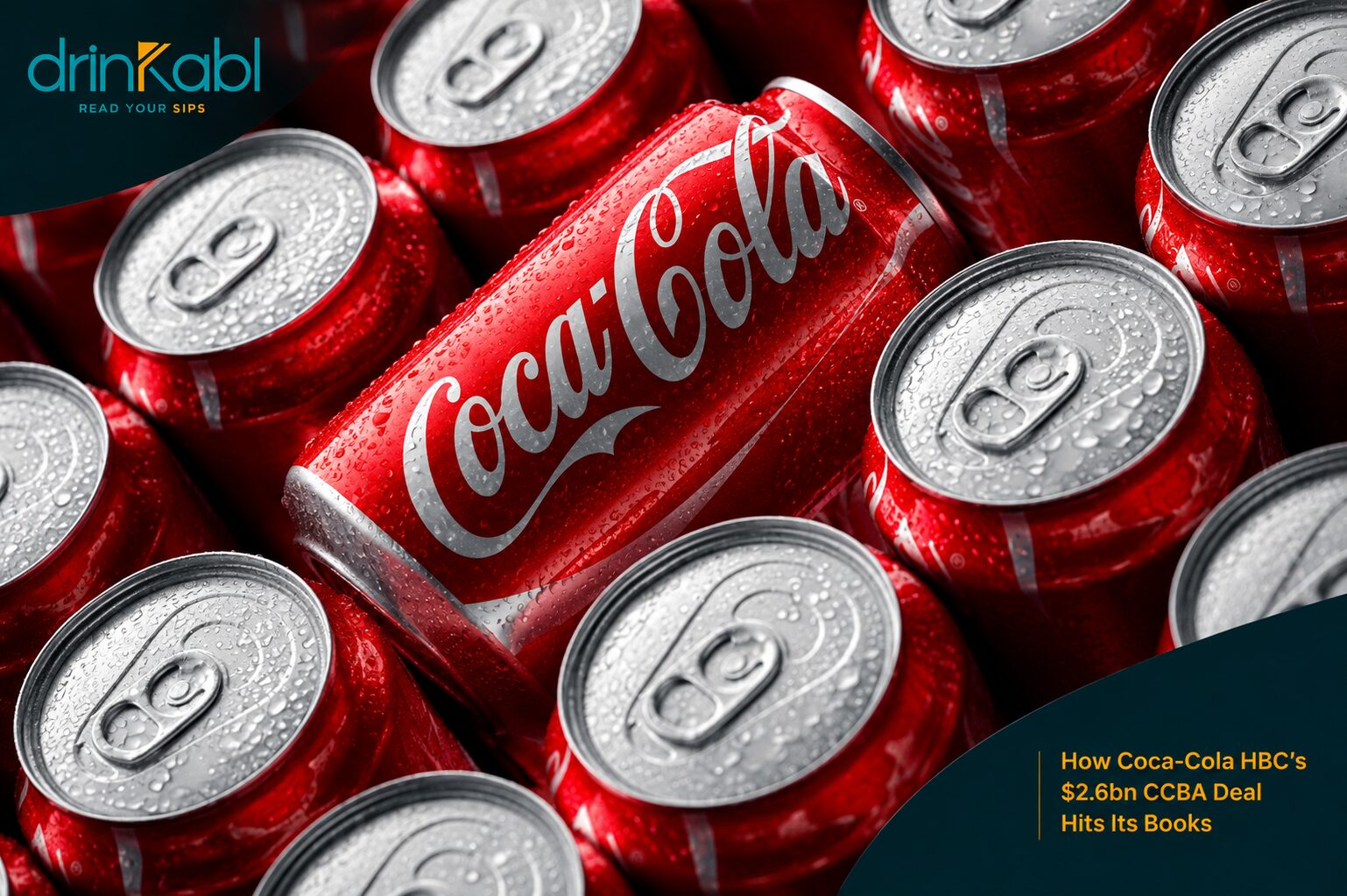
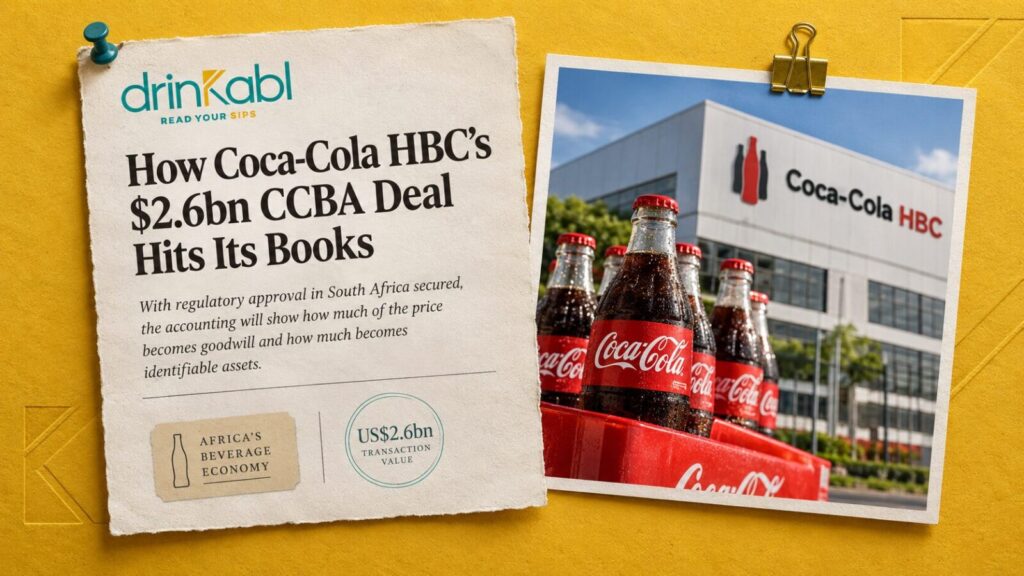
Coca-Cola HBC’s US$2.6 billion purchase of a 75% stake in Coca-Cola Beverages Africa (CCBA) will not sit on its balance sheet as a single line. Under IFRS 3, the price is split between assets the buyer can identify and a residual called goodwill. South Africa’s Competition Tribunal cleared the deal on September 11, bringing that exercise closer.
What is being paid
The transaction values 100% of CCBA at an equity value of US$3.4 billion. Coca-Cola HBC is paying The Coca-Cola Company US$1.3 billion for 41.52%. It is paying Gutsche Family Investments about US$308 million in cash plus 21,027,676 new shares for 33.48%, a package worth about US$1.3 billion at signing.
Bonds issued on March 26, 2026 cover the €1.4 billion cash element.
How IFRS 3 splits the price
On the acquisition date, the buyer measures CCBA’s identifiable assets and liabilities at fair value. Goodwill is what remains: the consideration plus any non-controlling interest, minus the fair value of identifiable net assets. Customer relationships, bottling and franchise rights and trademarks can be recognised separately if they meet the criteria. Goodwill may therefore be smaller than the premium over book value suggests.
Two details will move the final numbers. The shares are measured at fair value on completion, not at signing, so the share price at closing matters. Advisory and legal costs are generally expensed as incurred rather than added to goodwill, and Coca-Cola HBC has already set aside about €41.8 million.
The remaining 25%
The Coca-Cola Company keeps 25% after closing. Coca-Cola HBC can buy that stake, or Coca-Cola can require it to, within six years of completion. Depending on the terms, a written put over a non-controlling interest can create a financial liability under IAS 32. The completion accounts will show how the company treats the option.
What the price buys
CCBA is Africa’s largest Coca-Cola bottler. It operates in 14 markets and accounts for about 40% of Coca-Cola volume on the continent. Coca-Cola HBC, already present in Nigeria and Egypt, expects to reach about two-thirds of system volume in Africa.
Approvals in Botswana, COMESA, Mozambique, Namibia and Tanzania are also listed among the closing conditions. The company targets completion by the end of 2026. The Tribunal’s own conditions have not yet been published.
Why it matters
The price buys time: plants, routes to market, customer relationships and franchise rights that would take years to build market by market. The purchase-price allocation will only be known after completion. It will show how much of that value can be identified separately and how much stays as goodwill.
The deal also comes as Coca-Cola reshapes bottling elsewhere, including a $10bn bet on US bottlers. The commercial test is whether Coca-Cola HBC can turn that scale into productivity and higher consumption without eroding the value it has paid for.
Source: This report draws on a LinkedIn post sharing analysis from The Journal Entry, attributed there to The Pocket CA, expanded with company disclosures.
Read more