
as NAFDAC Presses Nigeria’s Label Standard
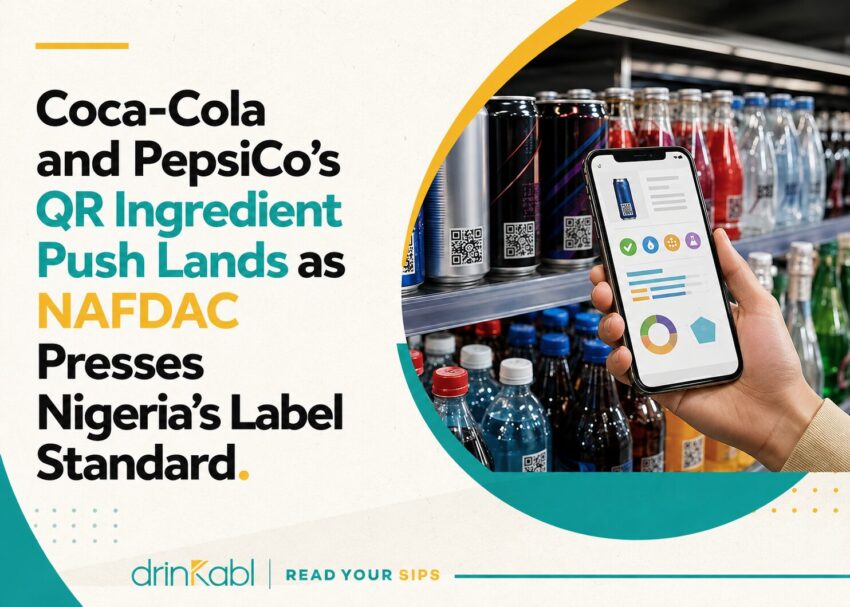
Coca-Cola, PepsiCo and Keurig Dr Pepper have started printing QR codes on beverage packaging that link to a shared ingredient database, with the American Beverage Association targeting full portfolio coverage by the end of 2027. Scanning the code opens Good to Know, a database covering more than 140 ingredients with definitions, product use cases and safety findings from the FDA, the European Food Safety Authority and Health Canada.
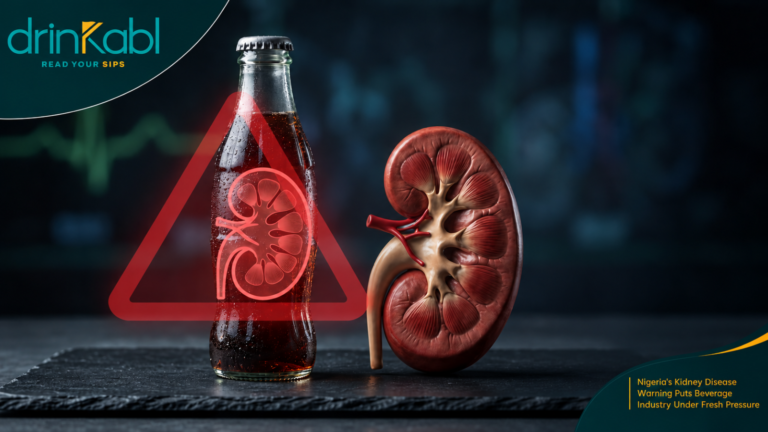
PepsiCo has already linked its codes to the database. Coca-Cola expects to finish its rollout this year, and Keurig Dr Pepper follows later in 2026. The rollout lands days after NAFDAC opened its own literacy campaign in Abuja, pressing Nigerians to read nutrition labels as a tool against the country’s rising burden of non-communicable disease. NAFDAC’s Pre-Packaged Food Labelling Regulations already require the nutrition disclosure the campaign is teaching consumers to read. The agency is building demand for information the label already carries, not mandating new information.
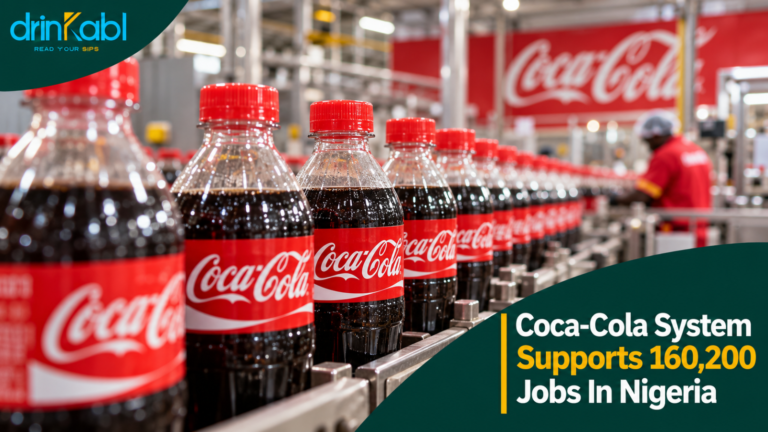
Coca-Cola’s Nigerian operations already run a comparable QR mechanism. The “Coke With Meals” promotion launched in February routes consumers who scan bottle codes toward a cash prize draw, not ingredient information. The infrastructure for a scan-and-learn layer already sits on shelf. What is missing is a decision to point it at ingredient disclosure rather than a lottery.
Distributors carry the practical risk either way. If NAFDAC’s campaign accelerates political appetite for front-of-pack warning labels, a measure already active in several Latin American markets, before multinationals extend their own transparency tools locally, bottlers face a standard set by regulation rather than one set by a parent company’s rollout calendar. That is a different negotiating position, and one Nigerian Bottling Company has not yet had to occupy.
Whether Coca-Cola’s Nigerian franchise repurposes its existing QR infrastructure toward ingredient disclosure, or waits for NAFDAC to write it into enforceable rule, is the open question as the agency’s campaign moves from Abuja roadshows toward its evaluation phase.
READ MORE