
PepsiCo, Red Bull and Monster have failed to halt a regulatory intervention that could force some of the world’s biggest beverage companies to change how high-caffeine drinks are presented in one of the category’s fastest-growing markets.
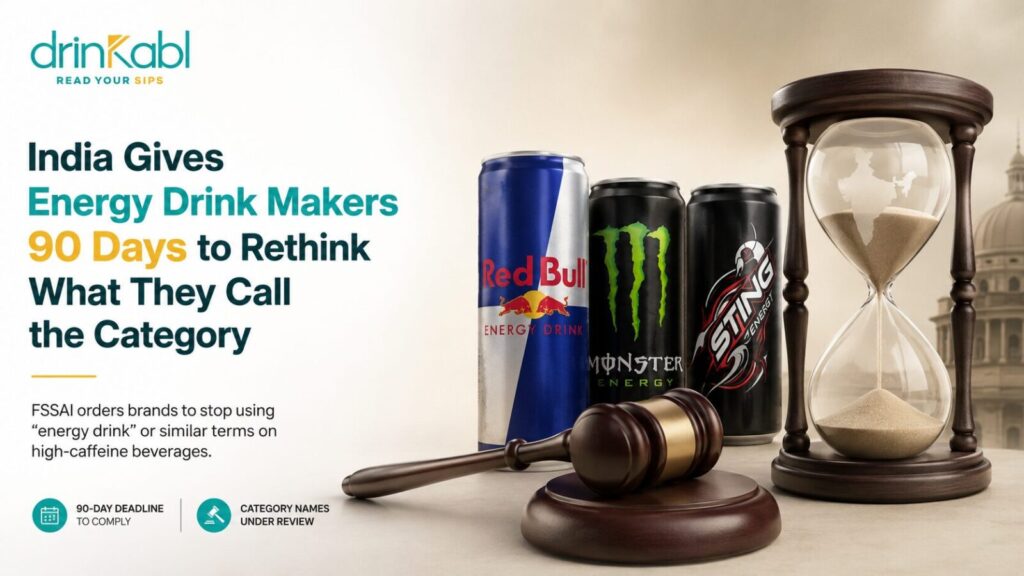
India has given makers of high-caffeine beverages 90 days to stop using the term “energy drink” or similar descriptions on affected products, putting category positioning rather than the drinks themselves at the centre of its latest regulatory fight.
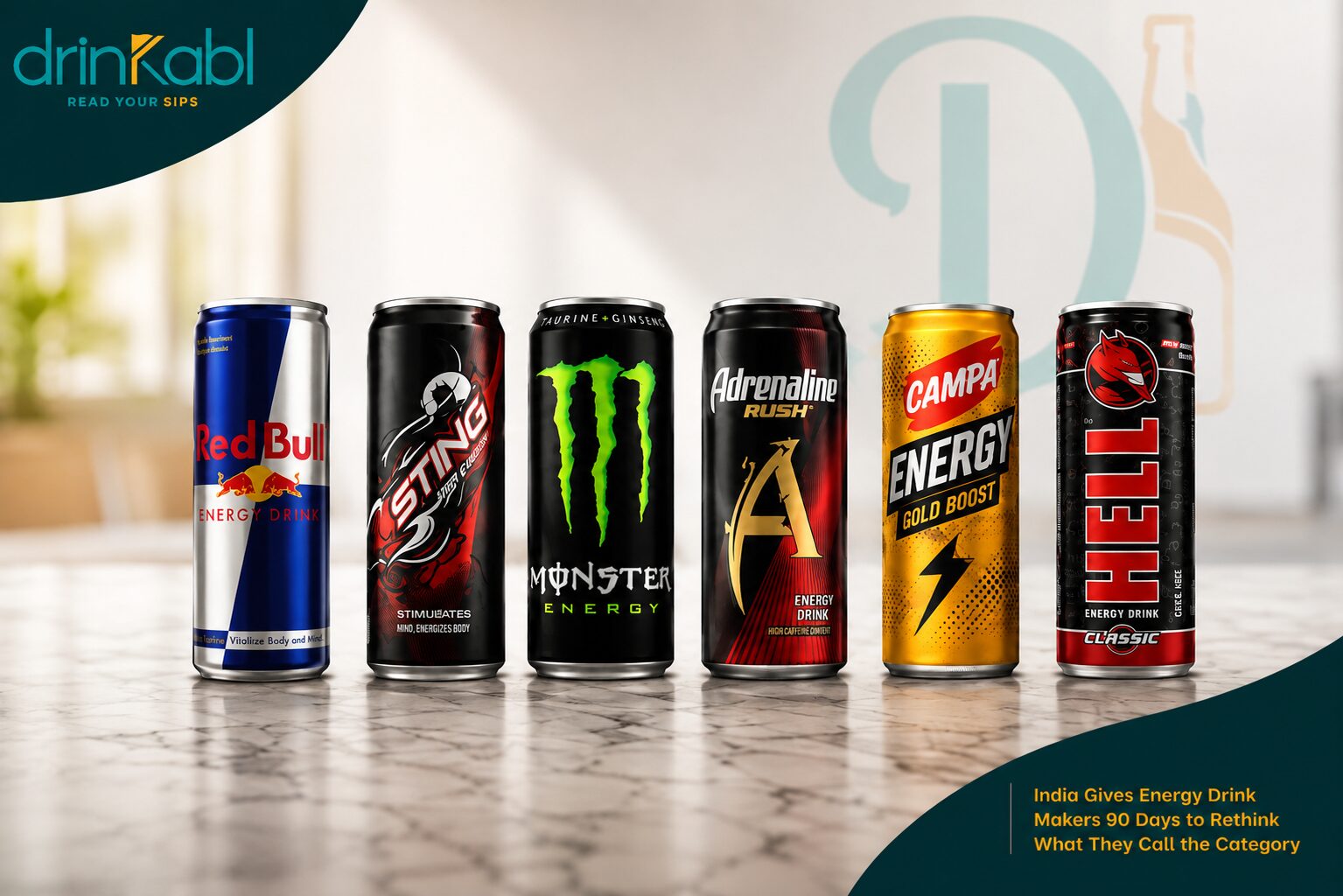
The Food Safety and Standards Authority of India has told companies including PepsiCo, Red Bull, Monster Beverage, Reliance and Hell Energy to drop the description, Reuters reported on Monday. Industry efforts to soften the intervention failed during a closed-door meeting with FSSAI chief executive Rajit Punhani, according to people familiar with the discussions. The commercial problem is unusually direct. Energy is not merely a product characteristic in this market. It is the category.
Red Bull built its global identity around stimulation, while PepsiCo’s Sting uses similarly explicit energy positioning in India. Removing that language leaves manufacturers with the harder task of explaining what the products are without leaning on the descriptor consumers already recognise.
That matters more as India’s market gets larger. Euromonitor data cited by Reuters projects retail energy drink sales will reach $1.6 billion by 2028, growing 12.6% annually. Volumes nearly doubled each year between 2018 and 2023, with PepsiCo’s low-priced Sting helping expand the category among younger and rural consumers after its 2017 launch.
Drinkabl.media’s earlier coverage of 28 BLACK’s expansion into India showed why that growth is attracting new competitors. The European brand entered a market where Sting, Red Bull and Monster already command substantial shelf visibility.
Regulation is now changing the entry calculation. FSSAI says India has no specific food standard for products described as energy drinks and has challenged claims suggesting such beverages can revitalise consumers or address weakness. Its existing guidance instead places products with typical energy-drink formulations within standards governing caffeinated beverages.
Enforcement has already reached the shelf. Rajasthan authorities have seized thousands of Sting, Campa Energy and Red Bull products, while e-commerce operators were instructed this month not to promote affected products as energy drinks.
The Indian Beverage Association has argued for a more predictable and risk-based regulatory process, warning that abrupt changes could confuse consumers and disrupt operations. Companies nevertheless agreed to comply following their latest discussions with FSSAI, according to an Indian government source cited by Reuters.
For beverage companies outside India, the dispute is worth watching. Drinkabl.media has previously examined how energy drinks increasingly sit between aggressive performance positioning and closer scrutiny of caffeine, sugar and consumer understanding.
India’s next 90 days will test something more fundamental: how much value remains in an energy-drink brand when the regulator challenges the words consumers use to identify the category.