
Coffee has always been traded globally. Today, however, value is being created through origin, traceability, and storytelling as much as quality in the cup.
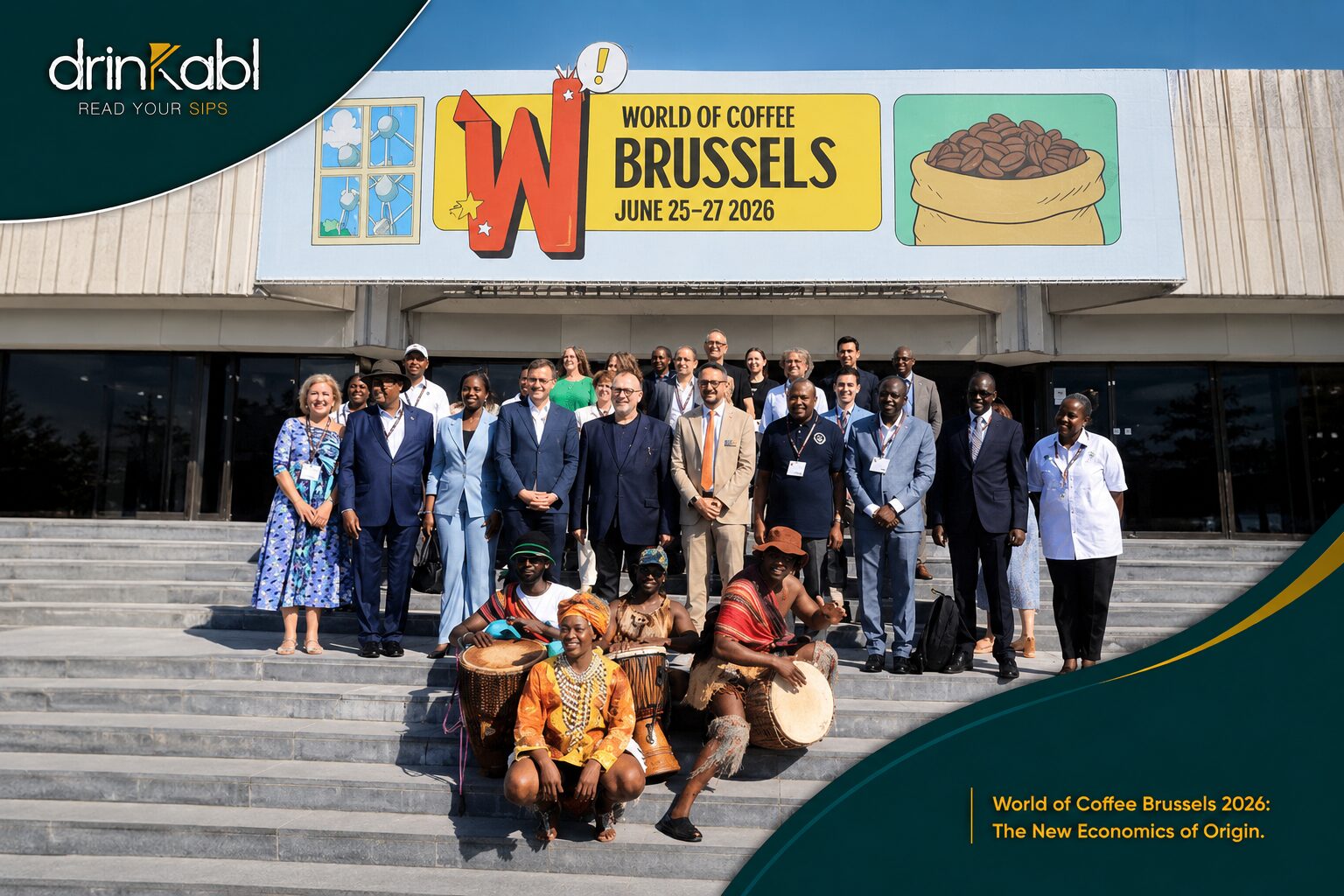
World of Coffee Brussels 2026 illustrated that shift. Hosted by the SCA in June, the event marked the first time Belgium hosted the organisation’s flagship European trade show, transforming Brussels into a bustling epicentre for the global coffee community. Thousands of producers, buyers, policymakers, equipment manufacturers, and coffee professionals from around the world gathered at the event despite a record-breaking European heatwave that forced conversations toward cooling logistics.
More importantly, it demonstrated how the global coffee industry is evolving. Coffee trade is no longer centred solely on buying and selling beans. It is also about proving origin, meeting regulatory expectations, and building brands that command a premium.
Why Brussels Mattered
Hosting the event in Brussels was more than a logistical decision. Europe consumes more than 30% of the world’s coffee, while Brussels sits at the centre of European Union policymaking. The location placed producing countries within direct reach of the importers, roasters, retailers, and regulators influencing the future of coffee trade.
“Brussels offers an exceptional platform for international business and industry exchange,” said SCA Chief Executive Officer Yannis Apostolopoulos. “Hosting World of Coffee in this globally connected city strengthens our ability to support trade, foster collaboration, and deliver value to professionals across the coffee value chain.”
For African exporters, the venue also reflected a broader commercial reality. As the AfCFTA encourages greater regional integration, success in export markets depends not only on production capacity but also on stronger engagement with international buyers, policymakers, and certification bodies.
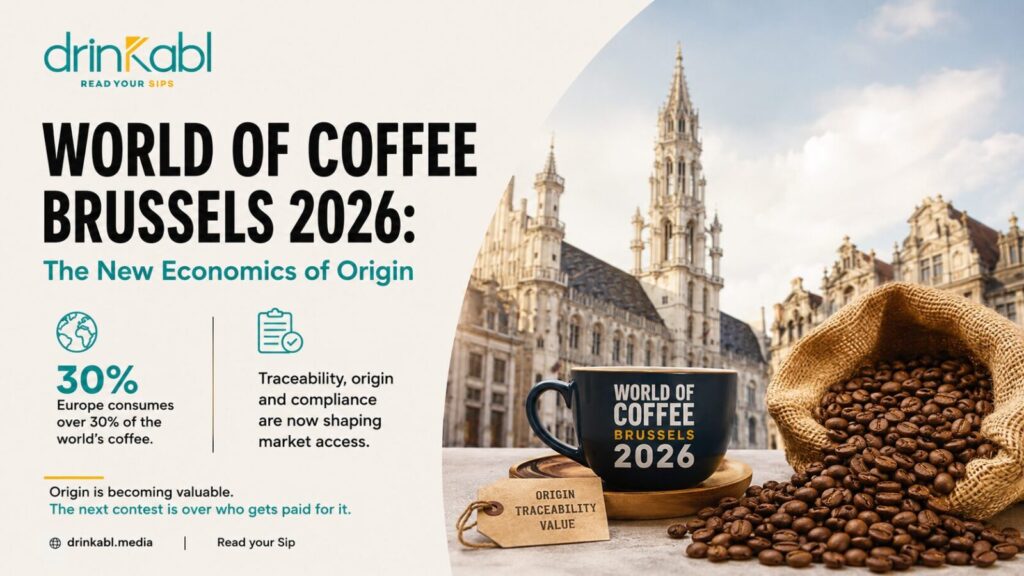
That matters because the economics of exporting coffee are changing. Traceability, sustainability documentation and proof of origin are moving closer to the centre of market access, particularly in Europe. For producers and exporters, the commercial question is increasingly not simply whether they can supply coffee of sufficient quality, but whether they can demonstrate where it came from, how it was produced and whether the supply chain satisfies the requirements of increasingly demanding markets.
The shift creates opportunity, but also cost. Larger exporters and organised cooperatives may be better positioned to invest in traceability systems, certification and compliance infrastructure. Smaller producers risk facing a more difficult equation: the same characteristics that make origin coffee valuable to international buyers can require additional investment to document and verify.
More Than a Trade Show
The exhibition floor showcased advances in commercial coffee equipment, brewing technology, and green coffee trading, while the World Coffee Championships crowned champions across brewing, roasting, and coffee-in-good-spirits competitions.
Away from the competitions, however, policy conversations carried equal significance. The ECF convened discussions with the FAO and international delegates on sustainability, responsible sourcing, and the future of coffee value chains.
Those conversations point to a deeper change in the industry. Traceability is no longer simply a sustainability claim printed on premium packaging. Increasingly, it sits at the intersection of regulation, procurement and brand positioning. For coffee-producing countries, that changes the competitive landscape.
When Origin Becomes the Brand
For decades, much of the international coffee business operated around a familiar division of value. Producing countries grew and exported green coffee, while much of the higher-value roasting, packaging, branding, distribution and retail activity took place closer to consumers. Specialty coffee has complicated that model.
Names such as Ethiopia, Kenya and Rwanda increasingly function as more than geographical descriptions on a bag. Origin can communicate flavour, processing methods, altitude, producer identity and cultural provenance. In a premium market, those attributes can become part of the product’s commercial identity. That gives African producers something increasingly valuable: differentiation.
But it also raises a harder question. If international coffee brands can charge more by telling richer stories about where their beans were grown, how much of that additional value ultimately returns to the farmers, cooperatives, processors and businesses at origin? The distinction matters. A producing country can become highly desirable as an origin without necessarily becoming powerful as a consumer-facing brand. That is the economic tension sitting beneath the industry’s growing fascination with provenance.
The Fight for More of the Coffee Value Chain
For African coffee economies, the opportunity therefore extends beyond producing better beans. Greater value could come from processing, roasting, packaging, intellectual property, direct trade relationships and stronger origin-led brands. It could also come from giving producers greater visibility within the commercial stories already being built around their coffee.
The challenge is structural. Building those capabilities requires capital, technology, market access and distribution networks, while exporters must simultaneously absorb increasingly sophisticated compliance requirements. That creates a potentially uneven transition. Traceability can reward producers capable of proving provenance, but it can also increase the cost of reaching the markets willing to pay for it.
The winners in this next phase of coffee trade may therefore not simply be the countries producing the most coffee. They could be the origins best able to connect production with verification, processing, branding and direct commercial relationships. For African producers, that makes the conversation around origin considerably bigger than marketing.
World of Coffee Brussels showed an industry increasingly interested in knowing exactly where coffee comes from. For producing countries, the next task is ensuring that greater recognition of origin translates into greater economic participation at origin. Brussels demonstrated that origin is becoming commercially valuable. The next contest is over who gets paid for it.
Read More: