
Crown and Hariss are adding capacity as competition shifts from a two-company cola rivalry to a wider fight over distribution, price and packaging.
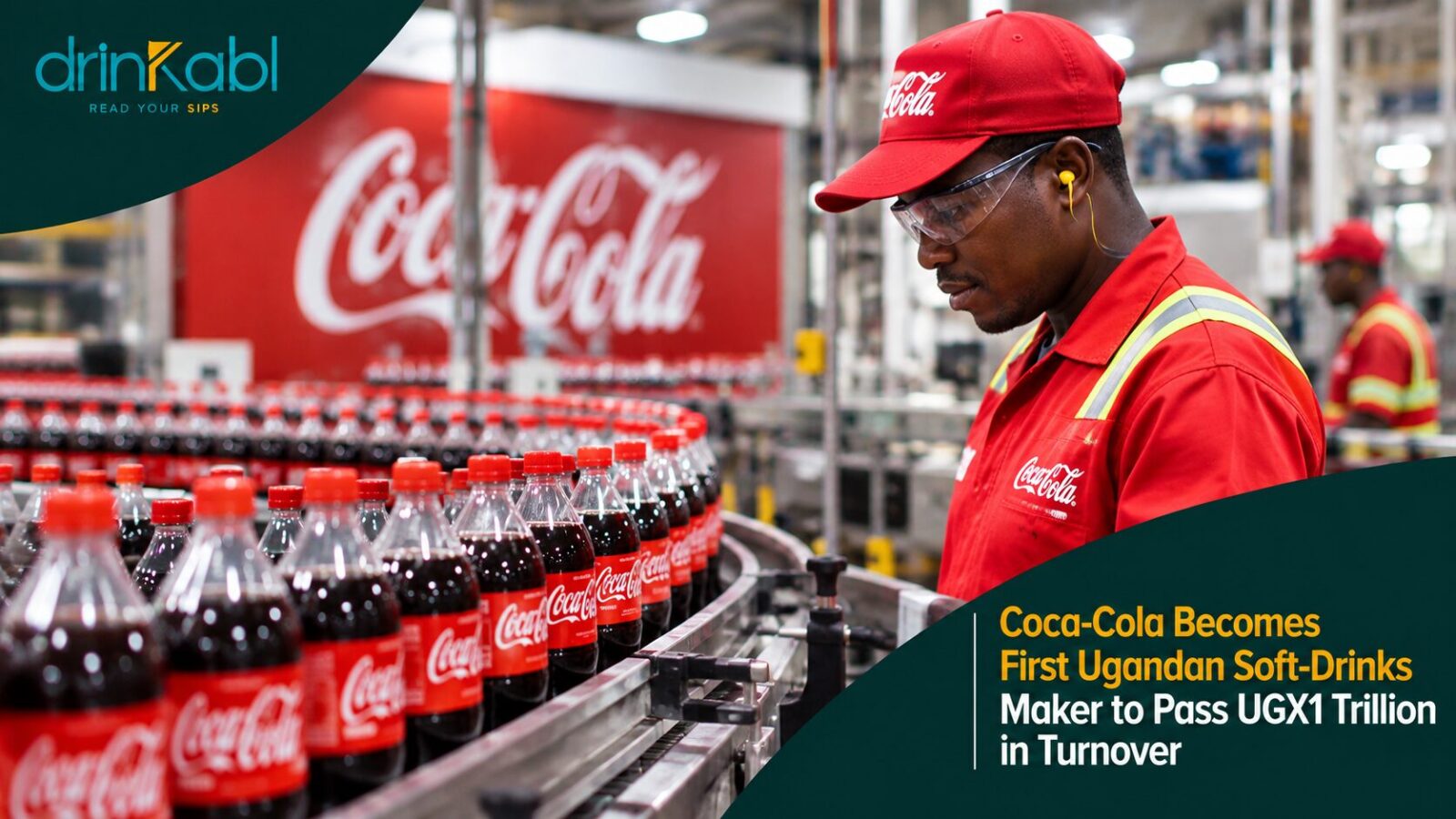
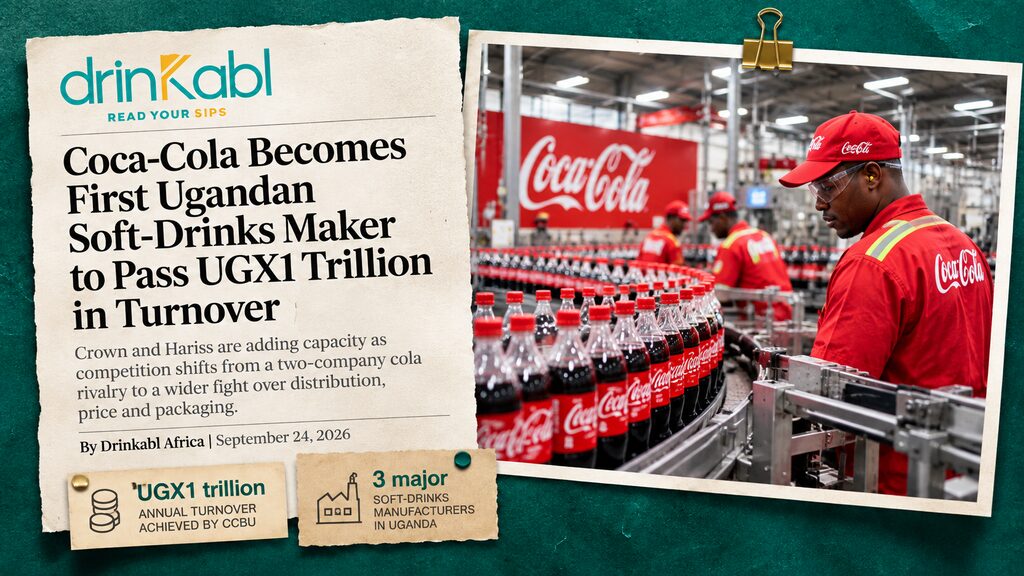
Coca-Cola Beverages Uganda (CCBU) became the first of Uganda’s three major soft-drinks manufacturers to pass UGX1 trillion in annual turnover in 2024, CEO East Africa reported.
Rivals are not standing still. Crown Beverages, the Pepsi bottler, and Hariss International are expanding production, while Coca-Cola’s African bottling parent is about to change owners.
The milestone matters because scale alone no longer settles the contest. Manufacturing capacity, distribution reach, product variety and regional exports now count just as much.
Consolidation gave Coca-Cola scale
CCBU took its current form in 2022, when Century Bottling Company and Rwenzori Bottling Company were amalgamated, according to parent company Coca-Cola Beverages Africa (CCBA).
Century Bottling dates to 1986, and CCBA has operated in Uganda since 2001. CCBA lists three plants in the country. Its investments include a US$10 million Rwenzori Pure Natural Mineral Water line, commissioned in 2019, and a US$27 million PET line at Namanve that began operating in 2023.
South Africa’s Competition Tribunal has cleared Coca-Cola HBC’s purchase of a 75% stake in CCBA, and the company has said it expects to complete the deal by the end of 2026.
Crown remains the main challenger
Crown is the official bottler of Pepsi, Mirinda, Mountain Dew and 7UP in Uganda, and also sells Evervess tonic and Nivana water. It has added a second plant at Kakungulu to lift output. Crown has said it exports to South Sudan and distributes in Rwanda. Its chief executive also claimed the market lead over Coca-Cola in 2020, so turnover alone does not settle who is ahead.
Hariss adds a third force
Hariss International, owner of the Riham brand, has grown into a serious third competitor. It expanded its production facility with a new processing line for still and carbonated drinks to meet rising demand, according to equipment supplier Alfa Laval’s account. The three companies compete in overlapping categories, but their portfolios, factories and routes to market differ.
Capacity does not guarantee sales
Extra capacity lets manufacturers widen distribution, depend less on single sites and respond faster to demand. It does not guarantee sales.
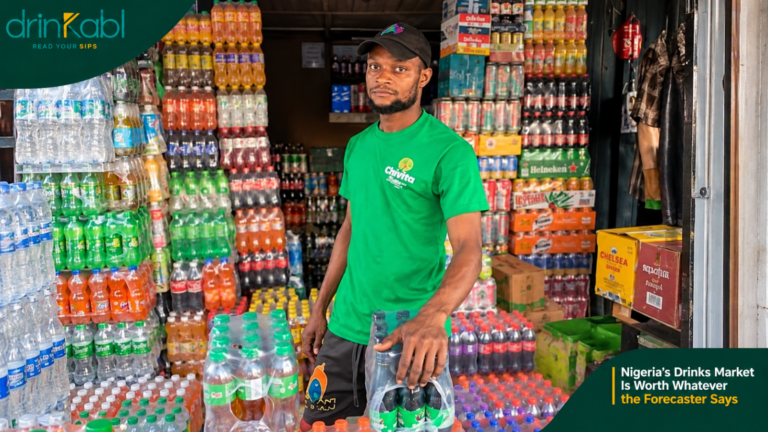
Uganda’s market still turns on affordability, distribution density, packaging formats and steady availability across formal retail and informal trade. Regional exports add another outlet for output. CCBU’s place inside CCBA also gives it access to a larger supply chain, and that network is about to gain a new owner in Coca-Cola HBC.
The next phase will favour whoever turns factory scale into shelf availability, not whoever owns the biggest global brand. For consumers, that could mean more choice. For manufacturers, it means keeping factories productive and distribution efficient. With all three companies investing, manufacturing scale is becoming the foundation for competition, rather than the end point.