
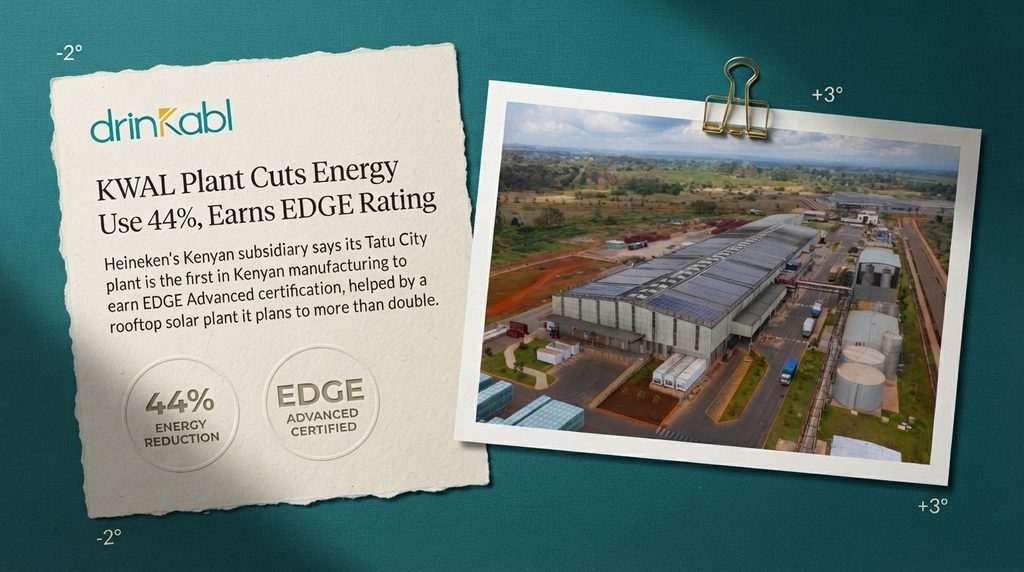
Heineken’s Kenyan subsidiary says its Tatu City plant is the first in Kenyan manufacturing to earn EDGE Advanced certification, helped by a rooftop solar plant it plans to more than double.
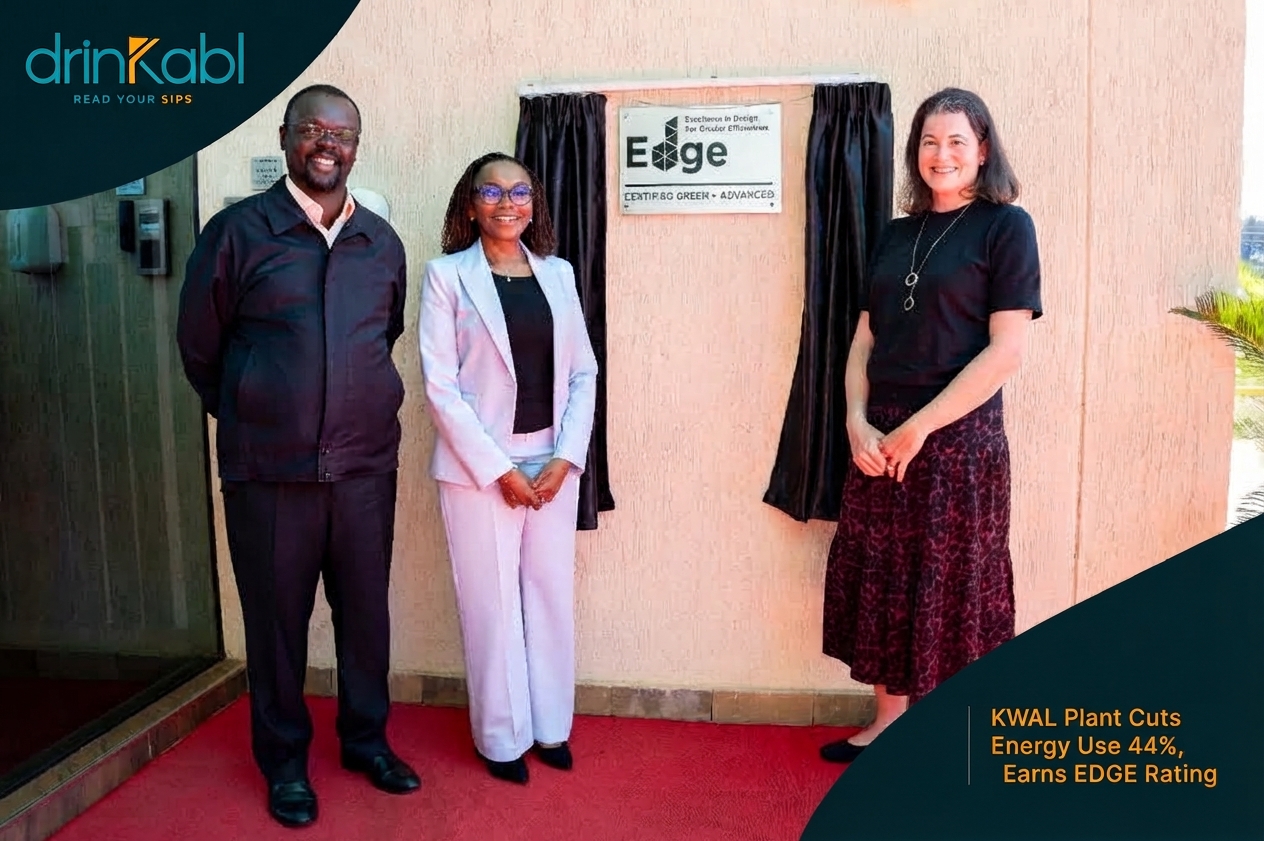
Kenya Wine Agencies Limited (KWAL), a subsidiary of Heineken Beverages International, said on 26 August that its Tatu City plant has earned EDGE Advanced certification. EDGE is a green building rating created by the International Finance Corporation (IFC), part of the World Bank Group. KWAL says it is the first Kenyan manufacturer to hold it. The rating was unveiled at the plant with IFC officials present.
Gill Rogers, IFC’s Head of Country Office in Kenya, put the plant’s savings at 44% in energy use, 28% in water use and 53% in embodied energy in materials. He said the results show that “economic growth and environmental responsibility go hand in hand.”
What the Rating Measures
EDGE certifies buildings, not companies. A project must show at least 20% projected savings in energy, water and embodied energy in materials against a local baseline. The Advanced tier also requires at least 40% projected energy savings, which KWAL’s 44% clears. The figures are design projections against a standard local building, not metered operating savings.
KWAL’s supply chain director said the process began in 2018, when the plant’s designs were finalised.
Solar Carries the Power Bill
The plant’s 700-kilowatt rooftop solar system was built in eight months. KWAL says it supplies 20% of the plant’s annual electricity and has cut annual energy costs by an estimated 10%. Those are company figures.
The system was commissioned in December, according to The Standard, as manufacturers faced frequent outages and tariffs above Sh25 per kilowatt-hour. KWAL used a power purchase agreement (PPA). Under a PPA, a provider typically funds and runs the plant while the customer buys the power. KWAL did not disclose the project’s cost or the PPA terms.
What Comes Next
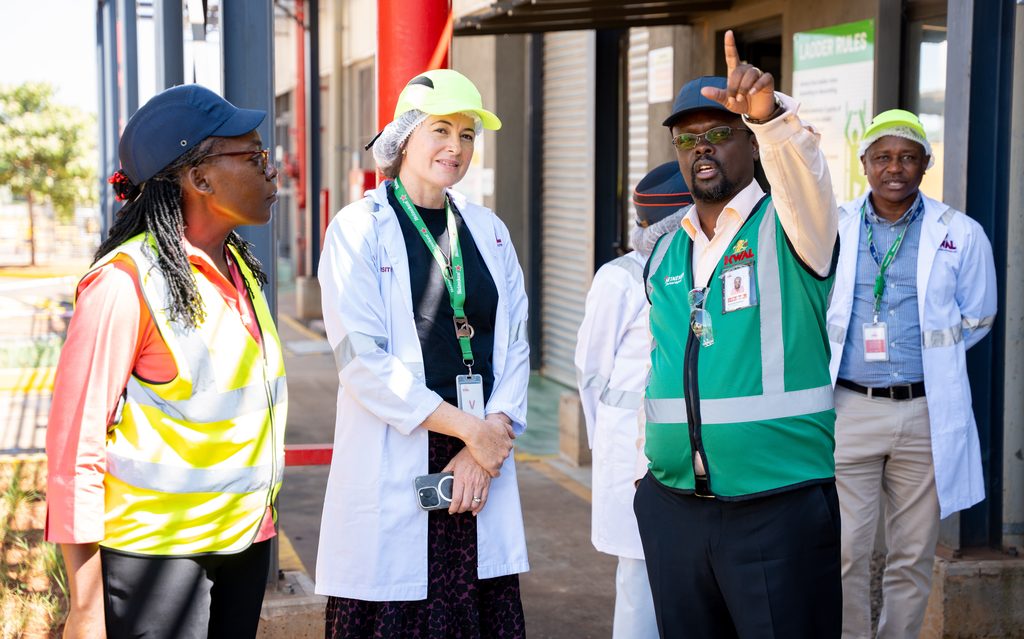
KWAL plans to more than double solar capacity to 1,500 kilowatts. It gave no timeline or budget. The plant also runs a water recycling initiative and uses motion-sensor lighting in its offices.
The company ties the work to Heineken’s Brew a Better World ambition, which targets better water efficiency in water-stressed areas and lower operational emissions. Water is becoming a bigger business issue for drinks makers everywhere. The certification also arrives as other players, such as Ceylon tea exporter Anverally, open offices in Kenya.