
Nigeria’s sachet alcohol ban has stopped being a paperwork problem for manufacturers and become a street-level enforcement test.
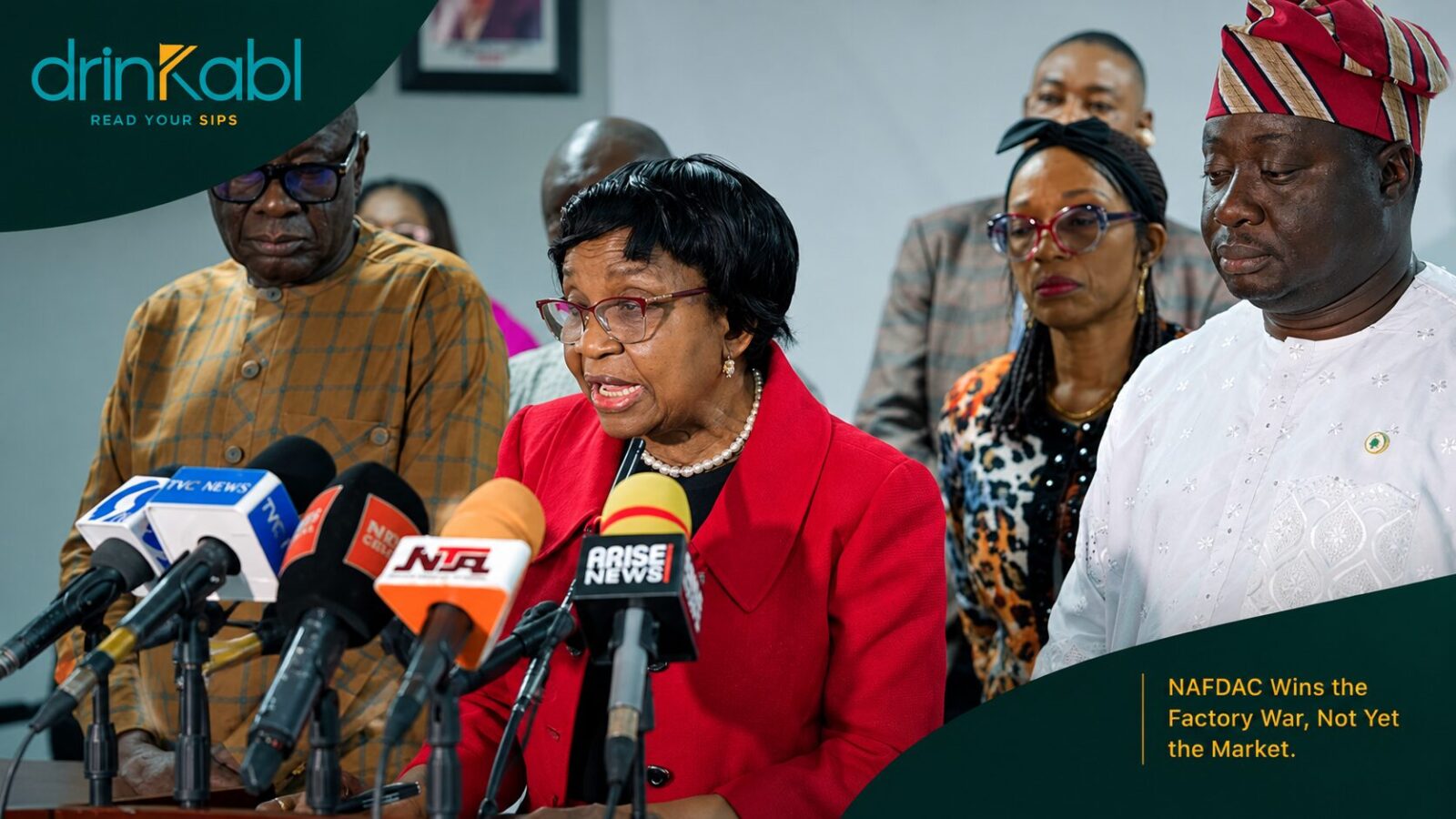
By late August, NAFDAC Director-General Prof. Mojisola Adeyeye said seven manufacturers had fully complied with the ban on sachets and PET bottles below 200ml, and that the three largest producers, who together control roughly 80 percent of the market, had fallen in line in the two weeks before her briefing. She framed the strategy as sequential: squeeze the source first, then the distributor, then the shelf. The logic is that a drier factory floor eventually means a drier street.
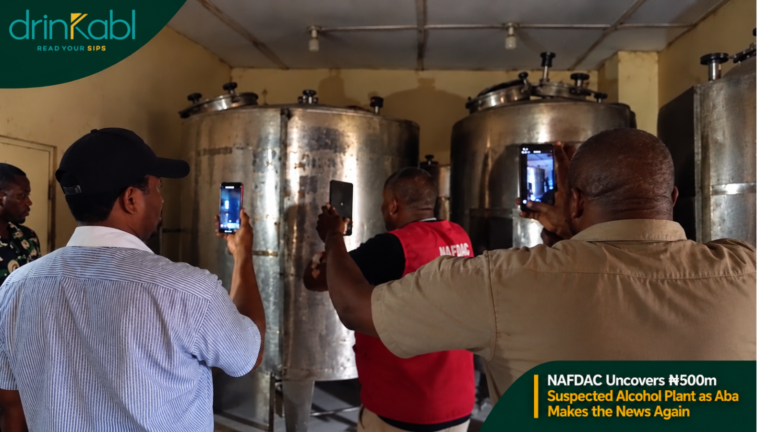
That framing explains the shift in tone. NAFDAC’s enforcement began at the factory gate in January, evacuating and destroying prohibited stock at the point of production. A second phase launched in July moved into markets, motor parks, bars and warehouses, and it was there that inspectors kept finding banned products already sitting inside the distribution system. The August 24 order for nationwide recalls, with manufacturers paying to destroy their own recalled stock, is NAFDAC’s answer to that discovery.
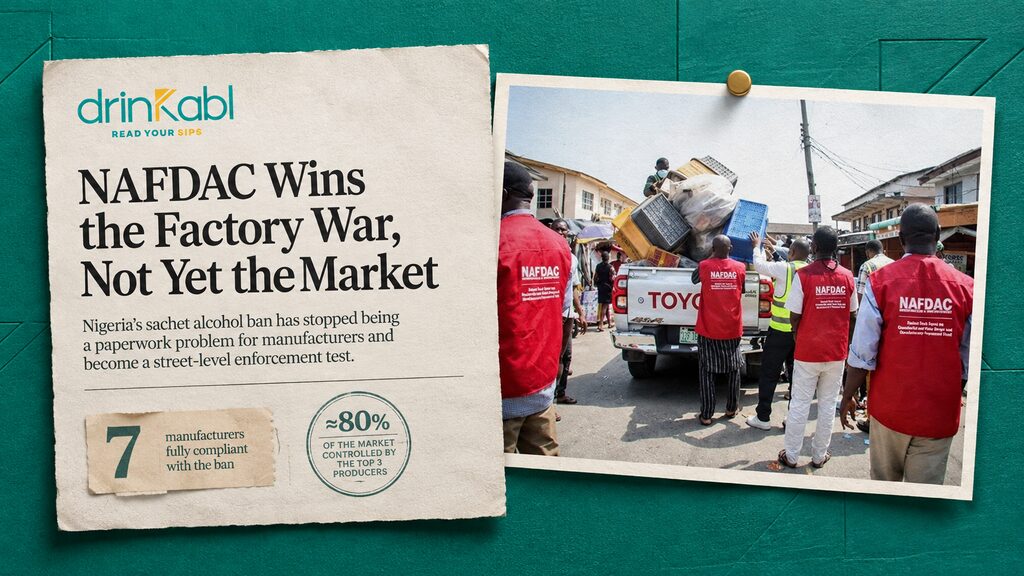
The agency has also raised the legal stakes. Adeyeye warned that manufacturers whose products turn up in the market face heavy fines and permanent factory closure, and that NAFDAC would invoke the Proceeds of Crime Act against repeat violators. Reopening a sealed plant now requires proof that the production line for banned pack sizes has been dismantled or reconfigured, not merely idled.
None of this touches the harder problem underneath it. Sachet alcohol was never popular because manufacturers preferred small formats. It solved a cash-flow problem for low-income drinkers, letting them buy a single, affordable hit of concentrated alcohol instead of committing to a larger bottle. Industry labour groups have argued for over a year that removing the sachet does not automatically move that consumer up to a compliant, larger pack. It just as easily moves them sideways, toward whatever is cheapest and closest, regulated or not.
That is the tension Drinkabl has been tracking since March: the companies most exposed to the ban are retooling factories for larger formats, but nobody yet knows whether demand will follow them up the price ladder or migrate into the unregulated market NAFDAC cannot see. Retailers are already the visible casualties of that gap. Traders in Lagos and Ibadan have staged repeated protests this year, saying raids and stock seizures wiped out working capital they had borrowed or saved to build small shops, and that they are being asked to absorb a policy cost created upstream, at the factory.
The stakes of that unregulated alternative are not hypothetical. Ondo State’s death toll from a suspected mass poisoning linked to a locally brewed drink, Monkey Tail, has risen to 32, with Odigbo Local Government chairman Taiwo Adegoroye confirming the figure this week as toxicology results are still pending. Monkey Tail is an unlicensed herbal spirit with no connection to the manufactured sachet brands NAFDAC is recalling. It sits in the same informal alcohol economy Drinkabl has explored through the history of ògógóró, or Sapele water, a category that has operated for a century outside NAFDAC licensing entirely. The Ondo deaths do not indict the sachet ban. They are a reminder of how large that informal market already is, and how much room it has to absorb displaced demand if the formal one shrinks faster than it can be replaced.
NAFDAC’s compliance numbers describe what is measurable: factories shut, packaging destroyed, inventory recalled. They do not yet describe whether Nigerians are drinking less, buying larger legal bottles instead, or finding a cheaper unlicensed substitute. That is the second test, and it plays out far from any press briefing, in the roadside kiosks and motor parks where the ban’s real audience does its shopping.
Read more: