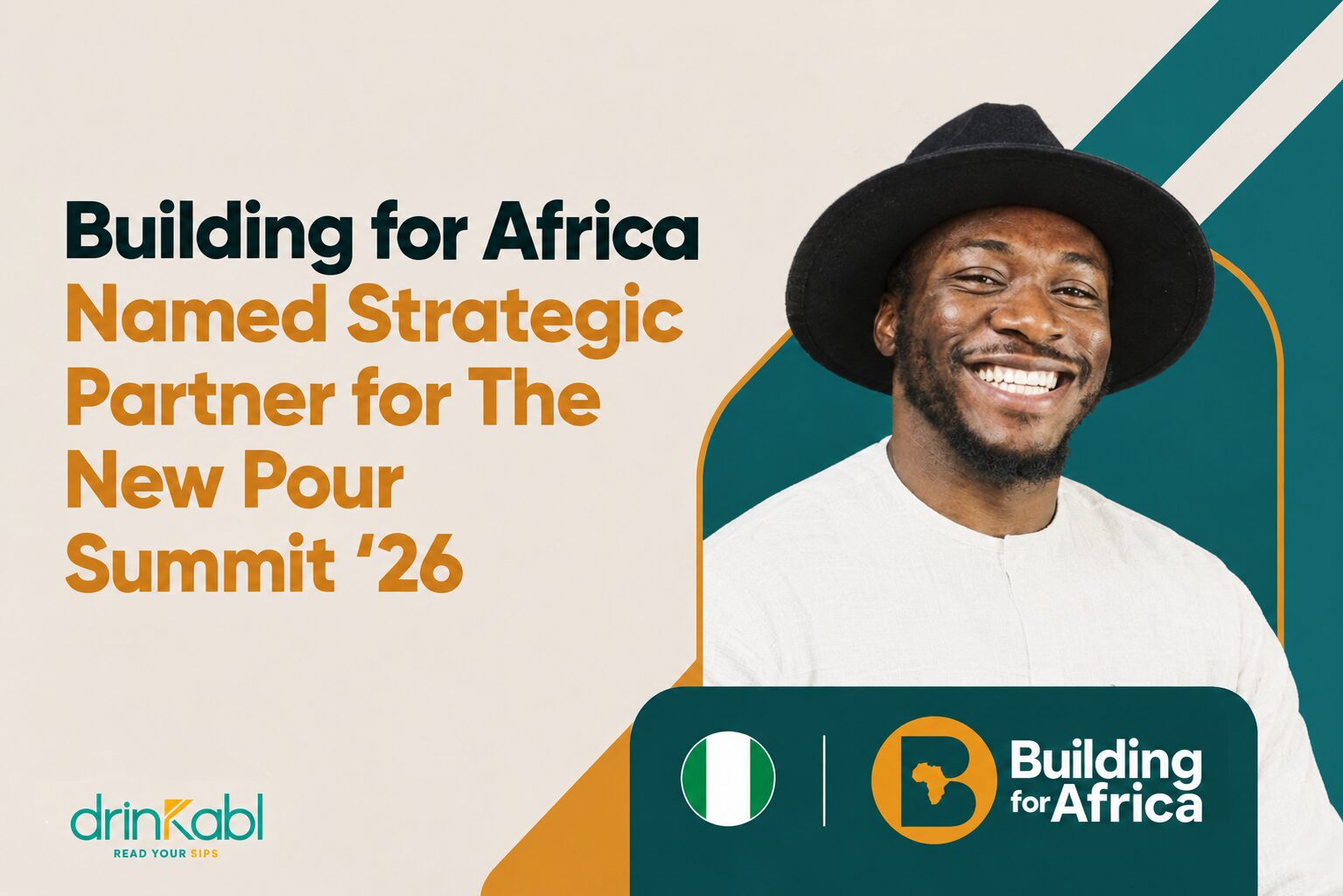

Building for Africa (BFA), a business, investment and intelligence platform focused on African capital, enterprise and economic opportunity, has been named a Strategic Partner for The New Pour Summit ’26, bringing an investment and capital-market perspective to the July 25 gathering in Nairobi.
The partnership places BFA within a summit programme examining how beverage businesses can respond to changing markets, attract investment and build companies capable of scaling across Africa.
Founded by David Idagu Goldfinger, Building for Africa describes itself as operating at the intersection of media and capital, with a mission that includes facilitating intra-African capital deployment, strengthening diaspora capital participation, elevating institutional credibility and producing investment intelligence.
That positioning gives the partnership a particular relevance to the beverage industry. Africa’s beverage opportunity is increasingly being discussed alongside questions of capital, manufacturing capacity, distribution infrastructure and the ability of local businesses to scale. For beverage founders and operators, access to capital can determine whether an opportunity remains a promising product idea or becomes a commercially sustainable business.
Building for Africa has developed its platform around that wider capital question. Its activities include the Building for Africa Business Investment Show, investment-focused events and the Africa Business Blackprint, alongside plans for investment mixers, diaspora capital roundtables and a broader investment ecosystem. The organisation says its objective is to help connect credible African opportunities with African, diaspora and global capital.

The platform’s work has also placed investment stories within a wider media and narrative framework. For BFA founder David Idagu, the relationship between narrative and capital is central to the platform’s philosophy. Building for Africa’s own description says the organisation emerged from the observation that how African businesses and opportunities are presented can influence how they are perceived by investors and institutions.
That perspective is relevant to an African beverage industry that contains both established multinational businesses and a growing population of founders building brands around local tastes, production capabilities and consumer opportunities.
Many of those businesses face a common challenge: moving from market opportunity to investable proposition. A beverage company may have consumer demand, a differentiated product or an attractive category, but scaling can require substantial investment in manufacturing, working capital, distribution, marketing, technology and route-to-market infrastructure. The ability to communicate the commercial opportunity to potential investors therefore becomes part of the growth equation.
This is the space Building for Africa is bringing into The New Pour Summit. The summit’s 2026 theme, “Liquid Resilience: Africa Future-Proofing Beverage Brands in Africa’s VUCA Market,” focuses on how beverage companies can navigate volatility, uncertainty, complexity and ambiguity while continuing to build and grow.
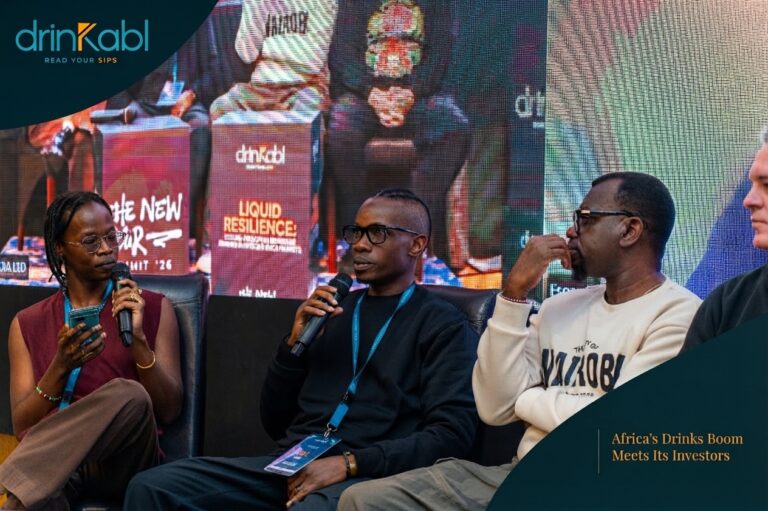
Capital forms a critical part of that resilience. The New Pour Summit programme includes a dedicated Capital & Investment track examining how beverage founders can attract and structure investment. David Idagu is scheduled to facilitate the session “From Pitch to Pour: Attracting and Structuring Investment in Africa’s Beverage Industry,” bringing together investors, founders and industry operators to examine what it takes for beverage businesses to secure capital and scale.
The discussion comes as Building for Africa itself expands its investment-oriented platform. The organisation’s planned activities for 2026 include investment mixers across African cities, investors and diaspora capital roundtables, and an Investment & Diaspora Capital Summit scheduled for October.
Its business investment show has similarly been designed to spotlight high-growth sectors and businesses while exploring opportunities for global, diaspora and intra-African investment. For the beverage sector, that creates a useful connection between two conversations that are often treated separately: building brands and building investable businesses.
A strong consumer proposition may attract attention, but sustainable growth also depends on the underlying business model. Investors need to understand the size and quality of the opportunity, the company’s ability to execute, its route to market, capital requirements and the potential for expansion.
Those considerations become even more important across Africa’s fragmented markets, where expansion can require businesses to navigate different regulatory systems, consumer behaviours, currencies, distribution structures and competitive environments.
Building for Africa’s presence at The New Pour Summit therefore extends the summit’s investment conversation beyond fundraising alone. It brings questions of capital access, investment intelligence, business credibility and African ownership into a room focused specifically on the future of beverages.
The summit will bring together more than 20 speakers from African markets for discussions spanning market intelligence, channels and distribution, product innovation, capital and investment, advertising, brand and marketing, culture and consumer trends, and business turnaround strategies.
The New Pour Summit ’26 will take place on July 25, 2026, at the Golden Tulip Westlands in Nairobi, with online participation available through its hybrid format. For Building for Africa, the partnership creates an opportunity to apply its broader investment and intelligence perspective to one of Africa’s most consumer-facing industries. For the summit, it strengthens the connection between beverage entrepreneurship and the capital required to turn promising businesses into scalable African enterprises.
Because future-proofing Africa’s beverage industry is not only about creating products consumers want to buy. It is also about building companies capable of attracting the capital, talent, infrastructure and market access required to take those products further. That is where the conversation between building for Africa and building beverage brands converges.
Read More: