5 Ways Heritage Brands Can Connect With Nigeria’s New Gen of Luxury Consumers
By ID Africa From creator-led storytelling to cultural relevance, heritage brands must find new ways to connect with young affluent Nigerians without losing the history

By ID Africa From creator-led storytelling to cultural relevance, heritage brands must find new ways to connect with young affluent Nigerians without losing the history
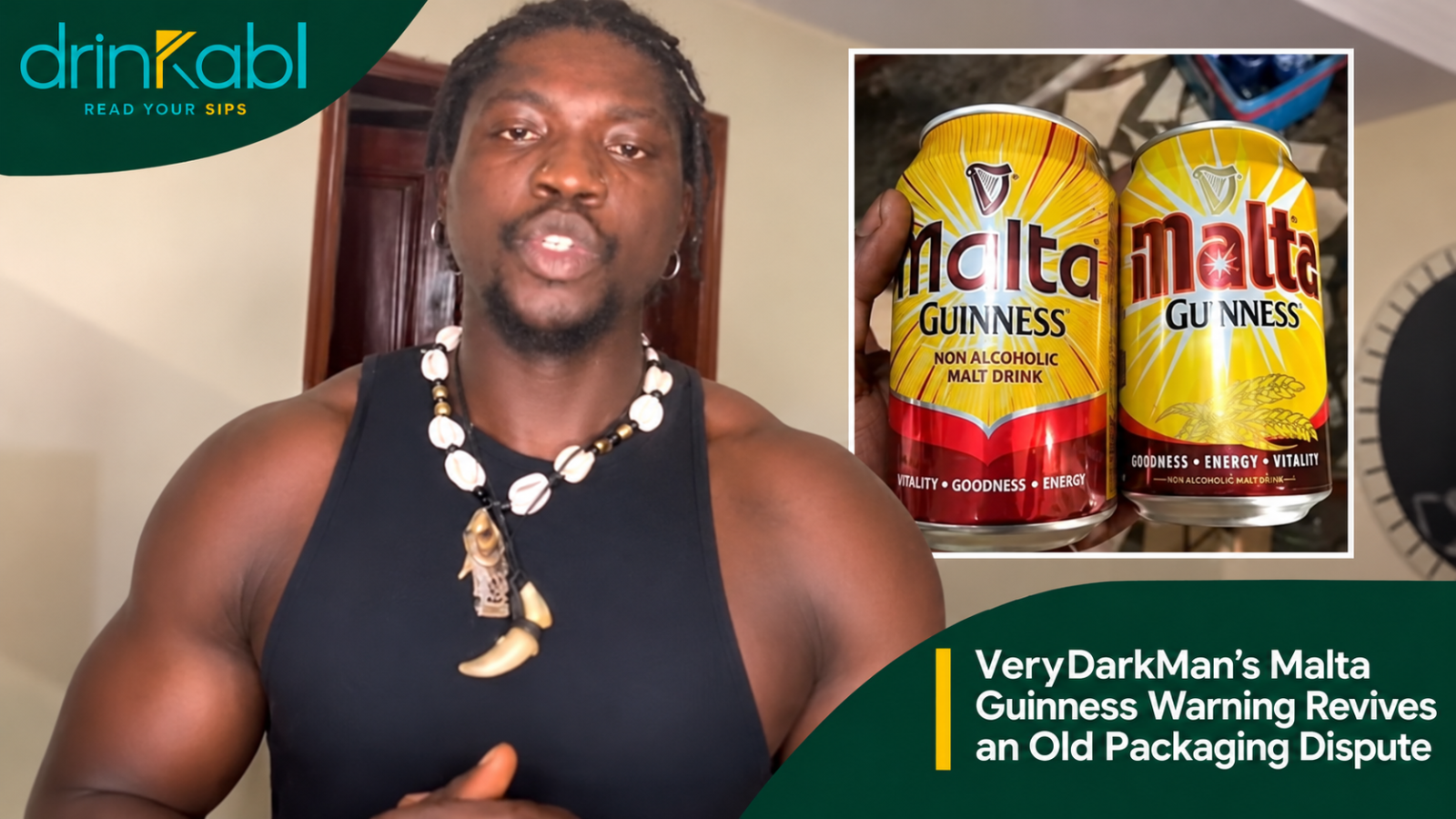
The social media activist’s video has reopened questions about counterfeit drinks in Nigeria. But the two cans he presents as evidence raise a different problem:
Cocktails, mocktails and ready-to-drink (RTD) beverages are increasingly visible in bars, restaurants and retail stores, but the terms are not always clearly understood. What separates
Rising brand investment, independent cocktail ventures and professional training are expanding the trade. But high operating costs, limited industry infrastructure and uncertain demand are testing
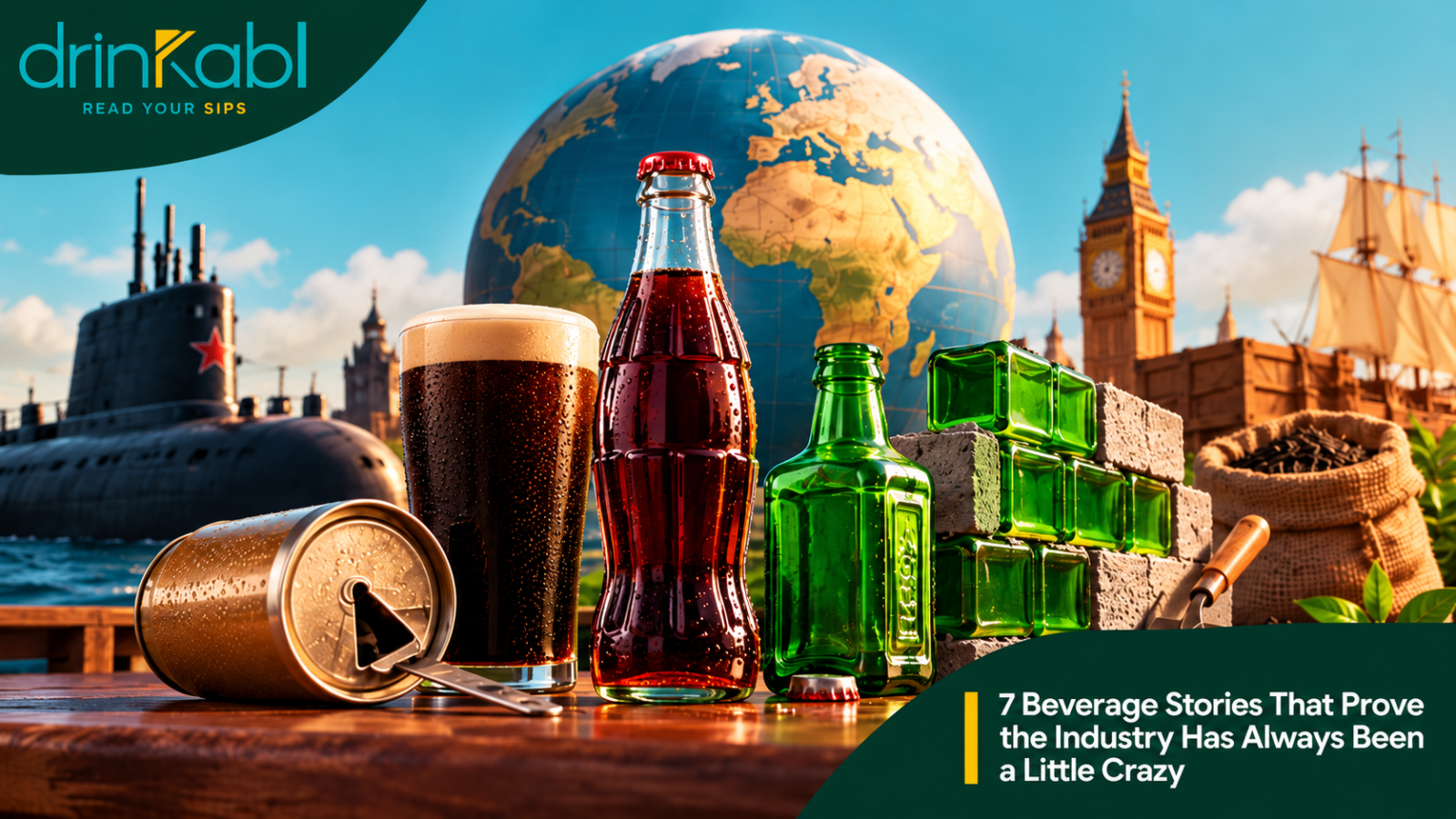
Pepsi briefly handled Soviet warships. Heineken tried to turn empty beer bottles into building materials. Coca-Cola’s most recognisable packaging was inspired by an ingredient its
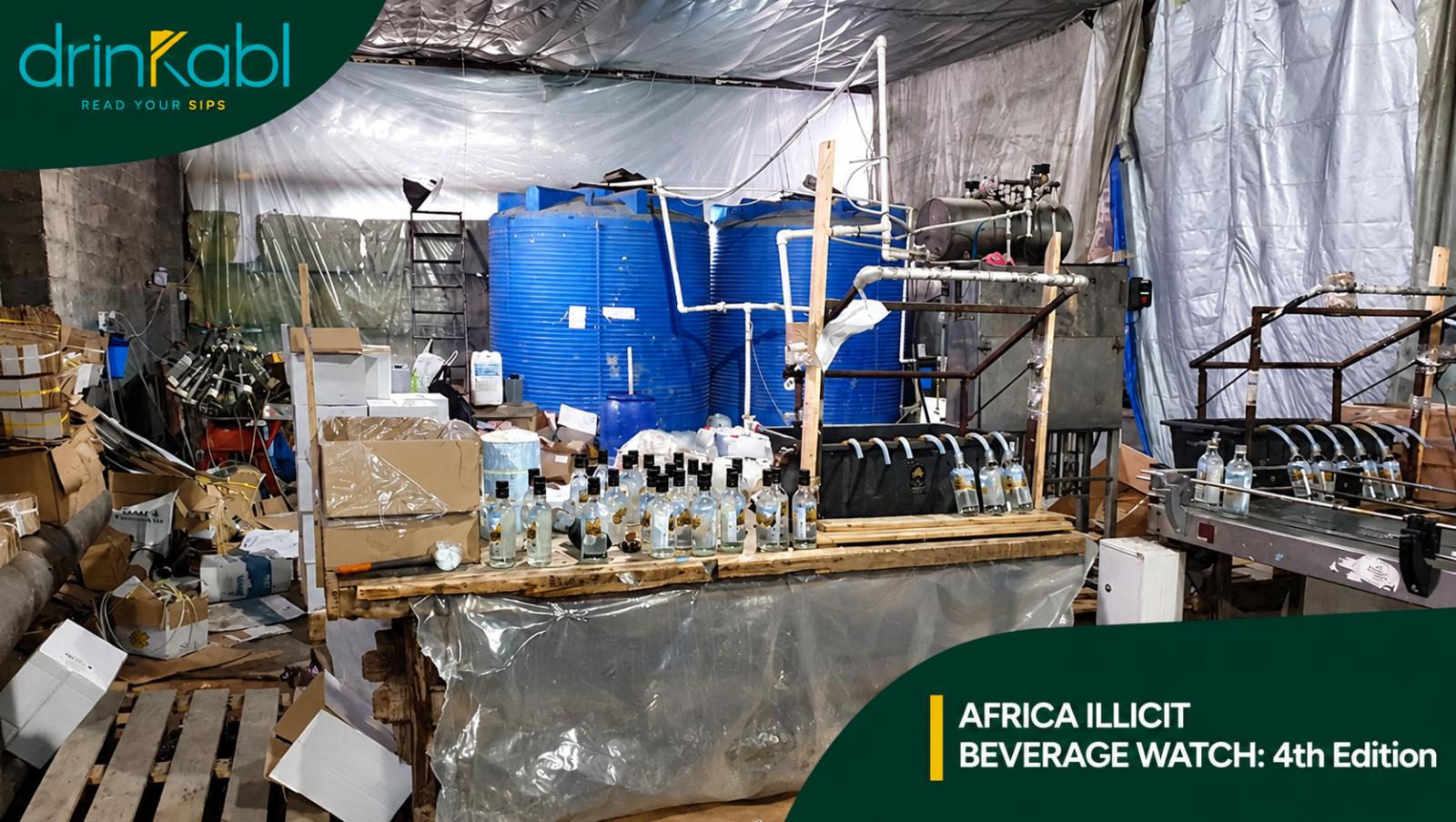
Africa Illicit Beverage Watch scans the continent weekly to track illicit beverage activities, protecting operators and brand distributors against counterfeit risks and regulatory shifts. For

Africa’s Beverage Brands Face a Test of Identity, Trust and Growth From counterfeit alcohol investigations in Nigeria to stronger coffee auction earnings in Kenya and
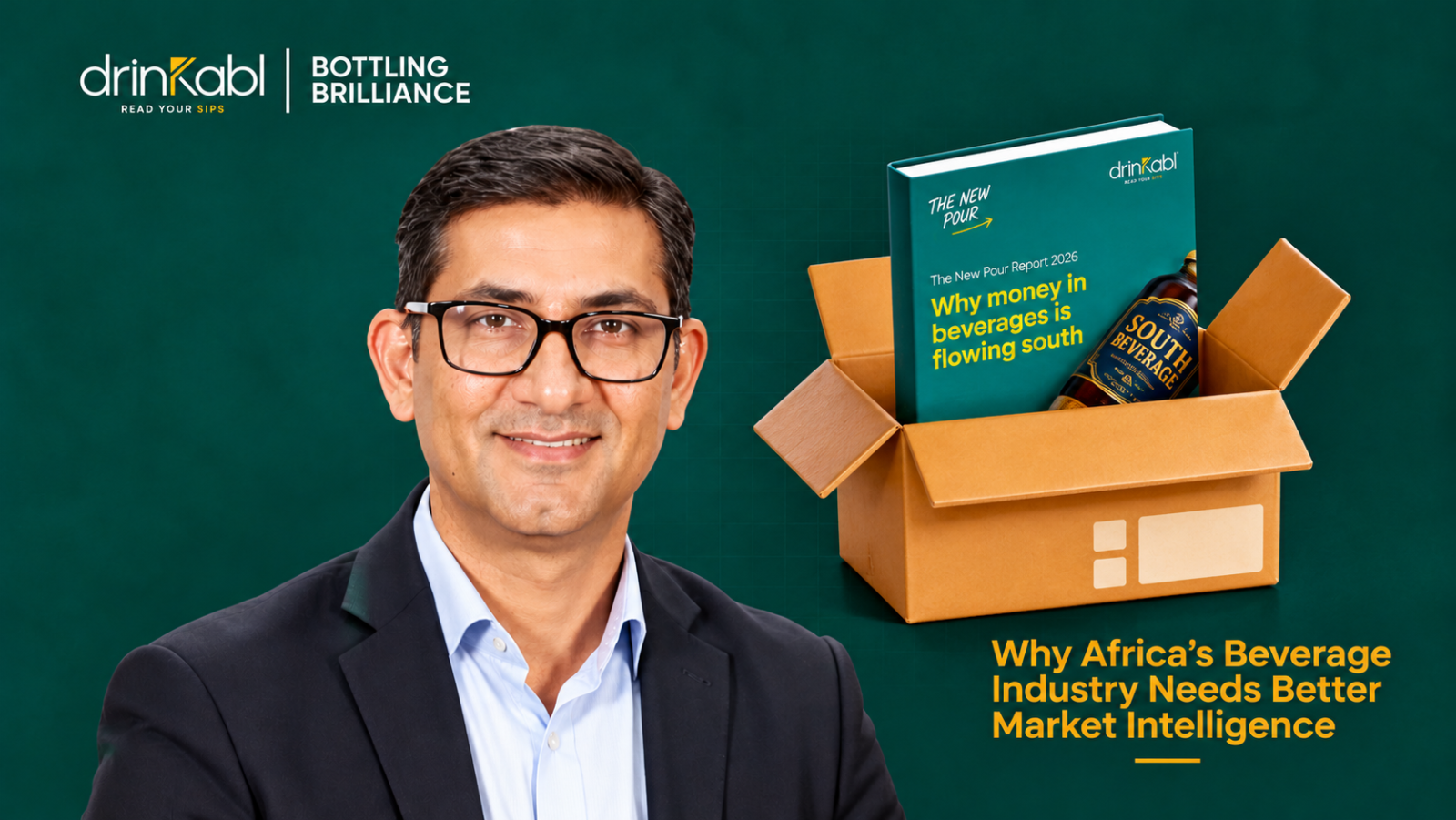
Africa’s beverage companies can collect more data, run research faster and deploy artificial intelligence at a fraction of the time traditional methods once required. Yet

Nigeria is facing a reported 9,000 new cases of end-stage kidney failure each month, a figure raised by Dr Charles Ugwuanyi, chief executive of Wellington
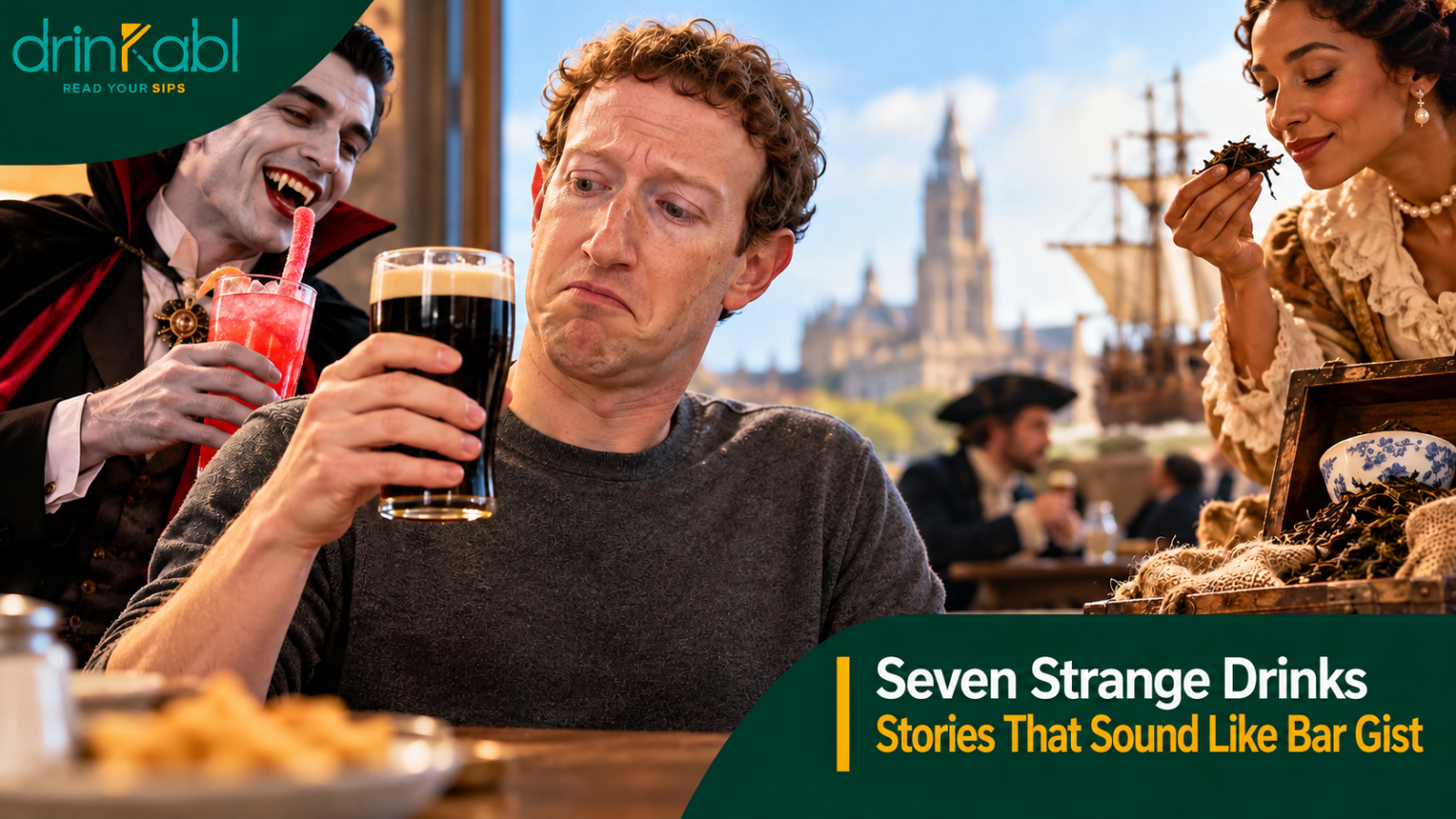
A billionaire loses an argument with a pint of Guinness, a tea smuggler worries about wrapping paper, and Mountain Dew sells nostalgia for five cents.